Best Hiking Snacks: Energy Foods for Outdoor Adventures
Hiking and trekking are outdoor activities that build endurance, improve physical fitness, and help recharge your mental energy. However, to...
read more

FREE Express Shipping On Orders $99+

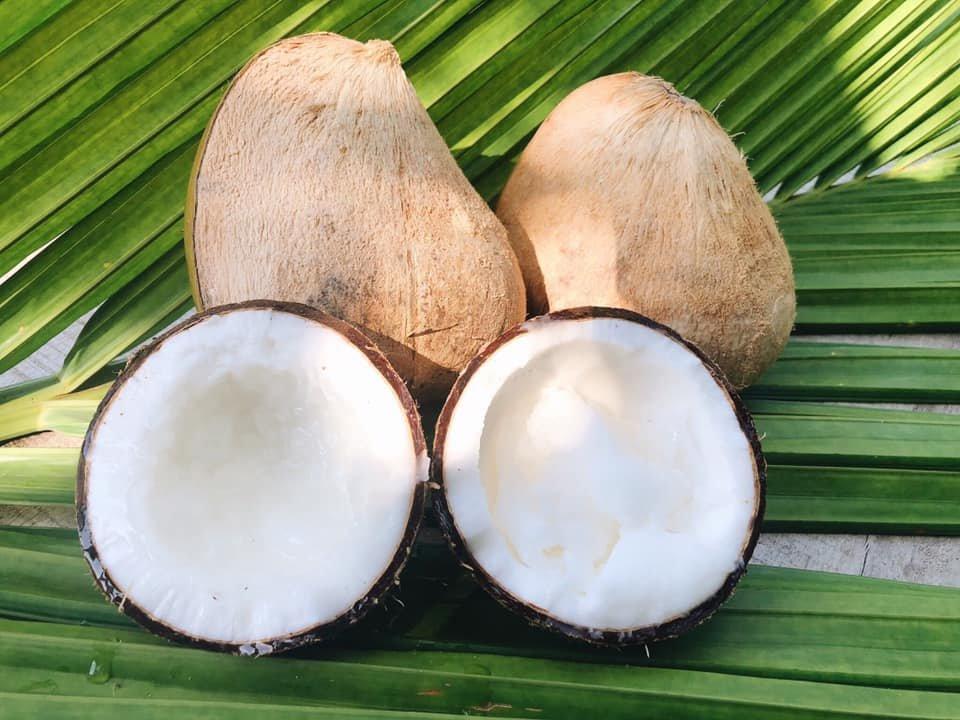
In natural food research, macapuno attracts significant interest due to its unique endosperm structure and distinct lipid profile. Although the total fat content is not overly high compared to regular coconuts, this ingredient contains many medium-chain fatty acids with a highly specific way of being absorbed by the body. The following article will help you better understand the chemical structure of these fat groups, how they metabolize in the body, and how to scientifically apply them to your daily diet.
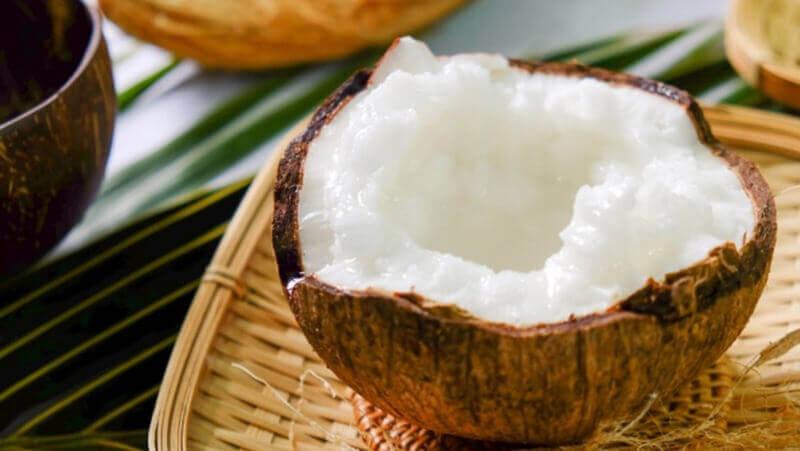
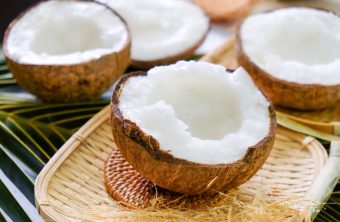
Tra Vinh Macapuno coconut with its characteristic soft and spongy flesh. (Source: Internet)
Internationally known by its scientific name as macapuno, this plant variety is the result of a natural genetic mutation. In Vietnam, the tree grows and thrives most robustly in the Mekong Delta region, particularly in the Cau Ke district of Tra Vinh province. The distinct characteristic of this variety stems from genetic modifications that reduce the activity of certain enzymes involved in breaking down cell structures.
To put it simply, this change directly impacts the fruit meat (endosperm) as the coconut grows. In normal coconuts, the flesh layer gradually develops into a hard, dense copra completely separate from the clear coconut water. Conversely, the flesh of this mutant coconut variety does not harden. It continues to expand, absorbing the water inside and forming a remarkably thick, porous, sticky, and soft layer. This fascinating biological difference directly alters the nutritional profile of the fruit’s meat.
A scientific review on the physicochemical composition of the macapuno variety published in the journal Foods provided more detailed insights into its micro-structure. In the analyzed research sample, the overall fat content reached approximately 3.94 ± 1.87%. This data shows that the actual lipid amount is significantly lower than that of standard mature coconut meat. However, what captivates experts lies in the molecular structure of the fatty acids making up that lipid amount.
Research indicates that about 80% of the saturated fatty acids in the macapuno sample belong to the medium-chain group (with a carbon chain length ranging from C6 to C12). In this specific lipid profile, lauric acid (C12:0) is the most dominant saturated fatty acid. Alongside the fat structure, the soft and porous expanded flesh also contains an amount of natural dietary fiber. Although this fiber content helps support basic digestion, we should view this data objectively, considering it a nutritious fruit rather than expecting exaggerated physiological effects.1
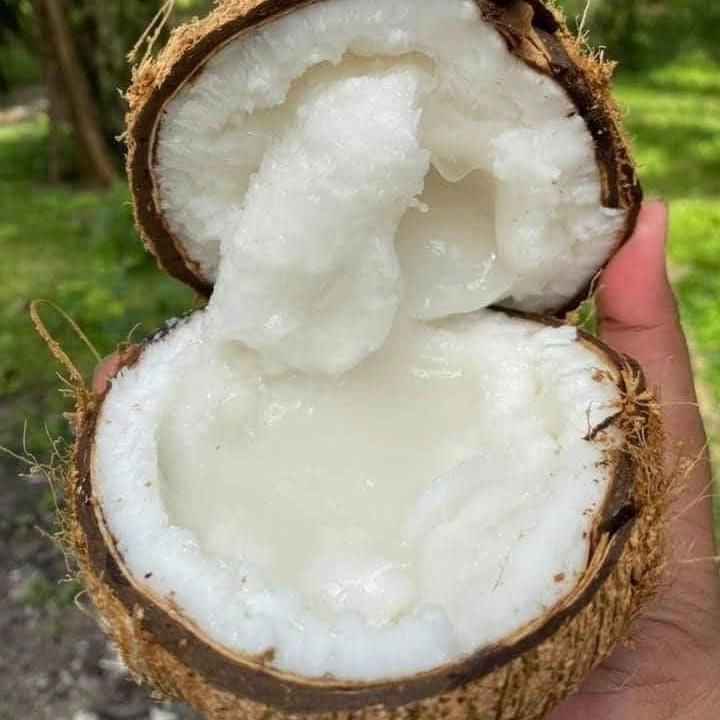
Macapuno coconut – A natural source of plant-based fats. (Source: Internet)
To understand why science is interested in these types of fats, we need to explore how the body digests them. The majority of common vegetable cooking oils or animal fats in your daily meals belong to the Long-Chain Triglycerides (LCTs) group.
When you eat foods containing LCTs, the body has to go through a rather cumbersome processing procedure. It is similar to transporting goods through multiple toll booths. The stomach cannot process them completely on its own; it requires additional bile from the liver to dissolve the fat (emulsification) and enzymes from the pancreas to break them down. After being broken into smaller parts, these fats must take a detour through the lymphatic system before entering the bloodstream. This process is slow, and if you eat too much without exercising to burn it off, the excess calories from LCTs can easily accumulate as layers of fat under the skin.
In contrast to that slow route, medium-chain fatty acids have a much more streamlined way of moving. Thanks to their shorter molecular chain structure, they dissolve better in the watery environment of the digestive tract. Upon entering the body, this group of fats is hydrolyzed and absorbed relatively quickly through the intestinal lining. Instead of taking a detour, they travel primarily via the portal vein directly to the liver. In the liver, these fatty acids easily enter cells to immediately participate in the process of generating energy.
This rapid metabolic characteristic is the highlight that brings medium-chain fats into focus. However, from a scientific perspective, fast metabolism does not mean “you can eat as much as you want without gaining weight.” If your total daily caloric intake exceeds what your body needs, the excess energy from any fat source will be stored by the body. Therefore, balance is always the most important factor.
When the liver receives and oxidizes medium-chain fatty acids, this process produces a group of intermediate metabolic compounds called ketone bodies (primarily acetoacetate and beta-hydroxybutyrate). Unlike the original fat molecules which are quite large, ketone bodies are extremely compact molecules. They dissolve easily in the blood and possess a wonderful physiological trait: the ability to cross the blood-brain barrier.
Normally, the human brain is quite a “picky” organ. Glucose (sugar) is always the primary and most prioritized fuel source to maintain all cognitive and motor functions. However, our bodies are designed with highly adaptable survival mechanisms. In certain specific states such as prolonged fasting, or when you adopt a diet that almost completely cuts out starches (carbohydrates), the ketone levels in your blood will automatically rise.
At this point, instead of “going on strike” due to a lack of sugar, the brain will flexibly switch to using ketones directly as a brain fuel to compensate for the shortage. Because of their easily absorbable nature and ability to support ketone production, medium-chain fats have opened up an exciting research direction regarding how foods can interact with and support high-energy-consuming organs in the human body.
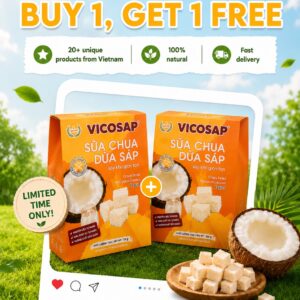
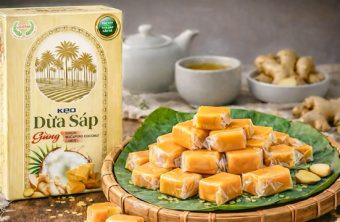
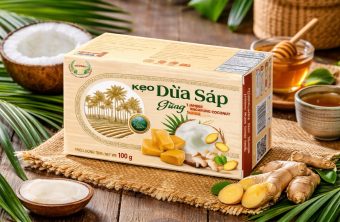
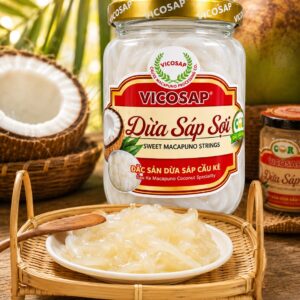
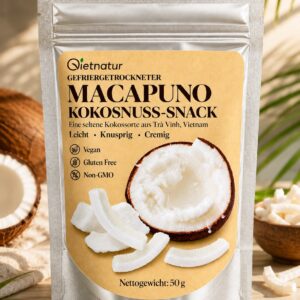
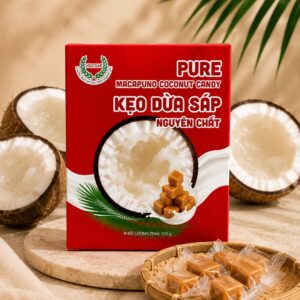
Despite possessing very high nutritional value, the biggest drawback of fresh ingredients is their relatively short shelf life. With the goal of integrating this high-quality lipid source into the busy modern lifestyle, VietNatur offers minimalist processed product lines. The core orientation is to fully preserve the natural nutritional structure of the original ingredients:
Interweaving these snacking products into your afternoon breaks not only helps satisfy your taste buds but also provides a plant-based healthy energy source, helping you gently diversify your caloric intake.
Through the lens of nutritional science, macapuno proves its value through a highly specific lipid profile with the presence of medium-chain saturated fatty acids. Although the rapid absorption pathway and ketone-producing capability offer much potential for medicine, we should apply them to our lives with a practical attitude, avoiding overstating cognitive functions. Incorporating this agricultural product into your menu is simply a smart method to enrich your plant-based fat sources, actively contributing to the journey of maintaining a healthy lifestyle and a balanced diet.
References: (1) MDPI
Entdecke passende VietNatur Produkte zu diesem Thema.