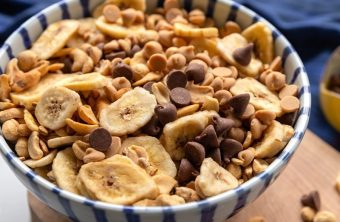
Best Hiking Snacks: Energy Foods for Outdoor Adventures
Hiking and trekking are outdoor activities that build endurance, improve physical fitness, and help recharge your mental energy. However, to...
read more 
FREE Express Shipping On Orders $99+

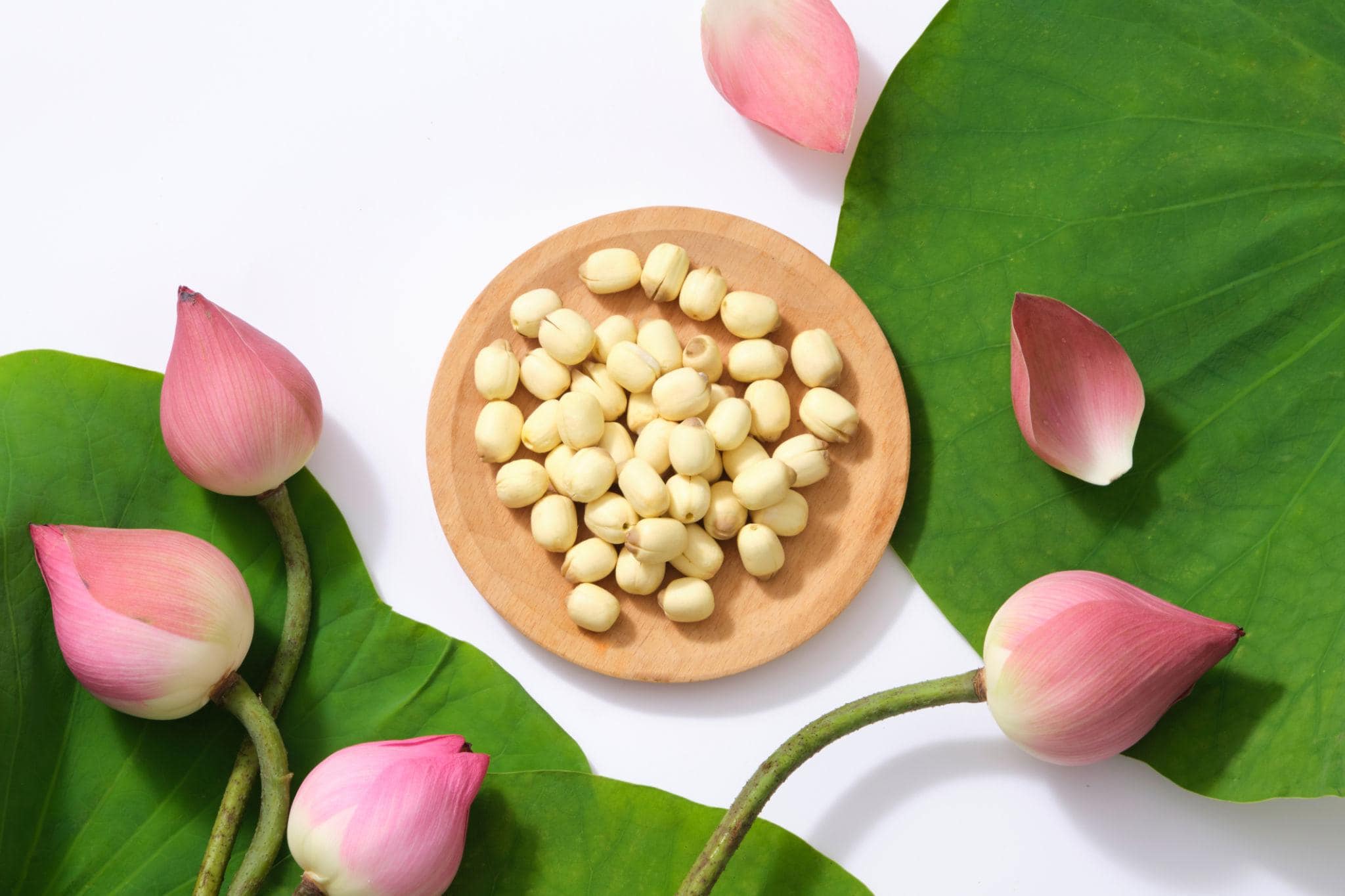
In East Asian culinary culture, lotus seeds are cherished for their mild, delicate flavor, their soft and floury texture when cooked, and their versatility in pairing with diverse ingredients. From traditional sweet soups to savory stews and modern snack foods, lotus seeds have consistently maintained a distinctive place in culinary traditions.
Beyond their culinary value, this ingredient is closely intertwined with long-standing wellness concepts. How, then, are the benefits of lotus seeds perceived in traditional medicine, and what does modern nutritional science reveal about their nutritional makeup? Let us explore these two complementary perspectives with VietNatur.
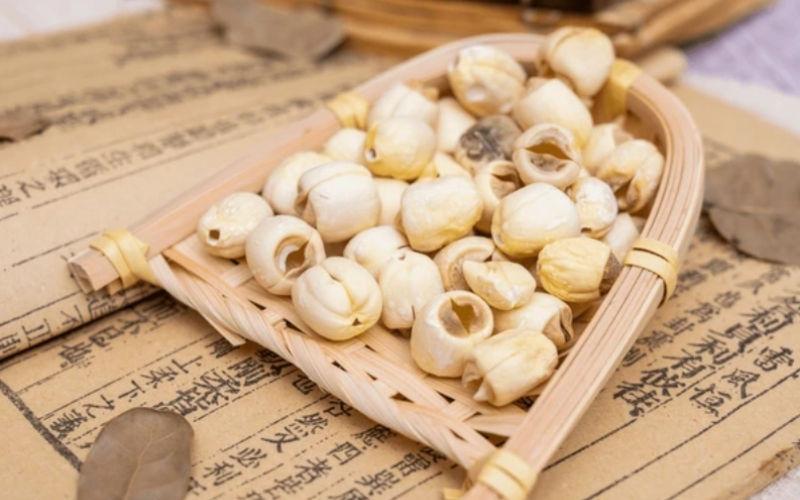
Lotus seeds are closely associated with traditional Asian cuisine and wellness practices. (Source: Internet)
Lotus seeds (Nelumbo nucifera) have a long history of use in Asian cuisine. The seeds, leaves, flowers, and rhizomes of the lotus plant each serve distinct culinary purposes, while several parts are also utilized across various systems of lotus seeds in traditional medicine. [1]
In Vietnamese cuisine, lotus seeds are commonly used in sweet soups, porridges, or slow-cooked stews alongside other ingredients. Across China and neighboring regions, lotus seeds are likewise a staple in time-honored dishes.
Over generations, the ways lotus seeds are consumed have reflected a synthesis of culinary experience, indigenous culture, and traditional views on living in harmony in daily life.
In the study of lotus seeds in Traditional Chinese Medicine, the ingredient is often referred to as Lian Zi, with the pharmaceutical herbal name Nelumbinis Semen. According to specialized monographs on traditional medicinal materials by The Hong Kong Polytechnic University, lotus seeds possess sweet and astringent flavors with a neutral property. This botanical ingredient is described with functions related to the spleen, kidney, and heart channels, notably tonifying the spleen as well as calming the mind and nourishing the heart. [2]
Concepts such as tonifying the spleen, benefiting the kidneys, and nourishing the heart to soothe the mind belong to traditional theoretical frameworks, illustrating how classical herbalists classified and utilized natural botanicals.
Lotus seeds are frequently paired with dried longan, red dates, or other ingredients in sweet soups and nourishing broths. These combinations provide distinctive flavor profiles while showcasing wellness practices that have been integral to Eastern food culture for centuries.
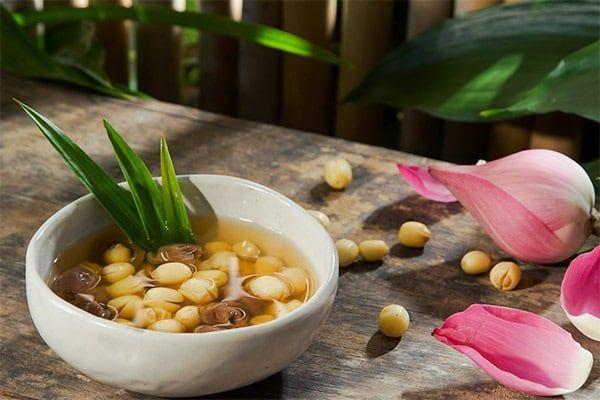
Lotus seeds are valued for their nutritional components and their role in a varied diet. (Source: Internet)
To better understand the traditional perspectives on lotus seeds, it helps to examine the practice of calming the mind and nourishing the heart in traditional medicine.
In Traditional Chinese Medicine, this concept refers to fostering an inner sense of harmony and preserving mental stability. It reflects an integrated view of human well-being, where physical vitality and emotional equilibrium are considered interdependent.
Lotus seeds are among the traditional ingredients utilized in herbal formulations associated with this principle. In addition to herbal decoctions, lotus seeds are seamlessly prepared in traditional meals, weaving wellness philosophy into everyday dining. [2]
Traditional Chinese Medicine highlights lotus seeds for their role in nourishing the heart and calming the spirit. This philosophy is rooted in the classical view of the link between emotional equilibrium and bodily balance, which explains why lotus seeds appear in ancestral herbal blends and traditional nourishing recipes. [2]
In Vietnamese dining culture, lotus seeds are an everyday ingredient in desserts and savory simmered dishes. A warm bowl of lotus seed sweet soup or a light evening dish can naturally fit into a relaxing routine before bedtime—a reflection of the culinary charm and lifestyle experience tied to this versatile seed.
Today, scientists continue to investigate the natural compounds found in the lotus plant and explore their biological properties. A 2025 study investigated the chemical constituents and potential mechanisms related to lotus seeds and sleep, utilizing extracts from lotus seeds, leaves, and flower petals. The researchers applied multiple analytical approaches, including chemical profiling, bioactivity evaluation, and pathway analysis. [3]
The findings indicated that the lotus plant contains diverse classes of bioactive compounds of scientific interest, presenting promising paths for examining how natural botanical components interact with biological pathways associated with sleep.
This represents a compelling area of ongoing research into an ingredient with centuries of traditional use. Current findings lay the groundwork for deeper investigations into the individual parts of the lotus plant, specific isolated compounds, and how they may influence sleep in humans.
Alongside mindful food choices, maintaining a regular sleep schedule, curating a comfortable resting environment, and establishing healthy daily habits remain essential pillars of everyday sleep care.
Beyond their role in food culture, lotus seeds have gained interest for their nutritional composition. A comprehensive scientific review published in the Journal of Functional Foods in 2022 systematically documented studies on the nutrients in lotus seeds, highlighting carbohydrates, plant proteins, lipids, vitamins, minerals, and bioactive compounds. [1]
Carbohydrates, notably starches, provide a primary source of dietary energy. Proteins contribute essential amino acids, while trace lipids and micronutrients complement a balanced diet.
Broad reviews on the lotus plant also highlight the nutritional qualities of its seeds and their food applications. However, the precise nutrient profile can vary depending on plant varieties, cultivation conditions, maturity at harvest, and processing techniques. [1, 4]
Therefore, when reviewing nutritional values, it is helpful to look at the specific preparation form rather than assuming fresh lotus seeds, dried lotus seeds, and packaged roasted seed snacks share identical nutritional profiles.
Lotus seeds can be integrated flexibly into everyday meals. For savory dishes, they blend effortlessly into rice porridges, clear broths, or vegetable and meat stews. In sweet dishes, pairing them with dried longan, mung beans, or other ingredients yields classic desserts rooted in Asian culinary tradition.
In addition to fresh and dried culinary seeds, ready-to-eat packaged lotus seed products provide a convenient alternative for consumers who appreciate this ingredient on the go.
The final nutritional profile of packaged items depends on added ingredients such as sugar, honey, cooking oils, or coating layers. Checking the ingredient list and serving size helps consumers make informed choices that fit their personal dietary routines.
Overall, lotus seeds offer a versatile way to enrich everyday menus through their delicate flavor and natural nutrient content. Incorporating varied foods with thoughtful preparation methods remains a practical approach to maintaining a balanced diet.
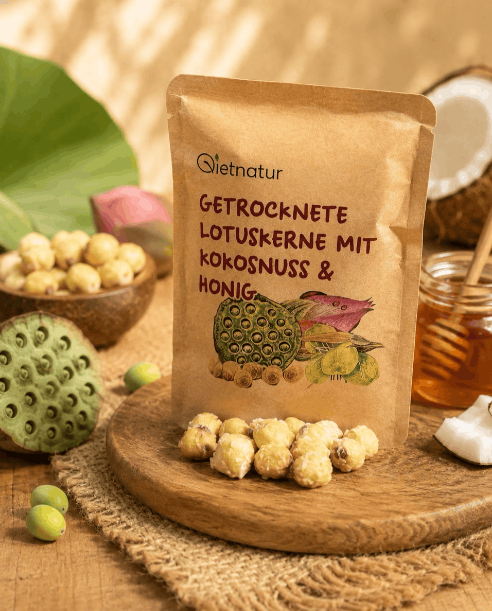
Lotus seeds combine traditional flavors with modern ways of enjoying them. (Source: VietNatur)
Lotus seeds can be crafted into diverse preparations, each offering distinct flavors and textures.
Fresh lotus seeds are widely favored in sweet soups, congees, and savory broths. When simmered thoroughly, they turn soft, tender, and mildly fragrant. This gentle character makes them a natural complement to red dates, dried longan, or mung beans in traditional sweets.
Dried lotus seeds allow for long-term storage and are typically rehydrated before being added to slow-simmered dishes or sweet desserts. Depending on cooking duration, they can remain whole or break down into a smooth, melt-in-the-mouth texture.
Beyond classical home cooking, lotus seeds have also been adapted into contemporary snack formats. These innovations bring a fresh take to a traditional kitchen staple, suited for modern lifestyles.
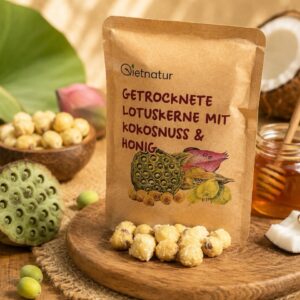
For those who enjoy lotus seeds and want to try them outside of traditional soups and stews, VietNatur Honey Coconut Lotus Seeds offer a delicious alternative.
This snack combines tender lotus seeds with a delicate shredded coconut coating and the gentle sweetness of honey, creating a harmonious balance of crispy texture, subtle sweetness, and a distinct coconut aroma. It presents a thoughtful reinvention of an authentic Vietnamese ingredient in a convenient snack form.
Enjoy these crispy lotus seeds during a work break, on the go, or alongside a warm cup of tea to create a relaxing moment during the day.
Nutritionally, the snack delivers energy from both the lotus seeds and the coating ingredients. Because of the inclusion of honey and coconut, the caloric and carbohydrate values naturally differ from plain raw seeds. Reviewing the product ingredients and serving sizes ensures it fits comfortably into your individual snacking preferences.
At VietNatur, classic Vietnamese ingredients do more than preserve cherished regional tastes—they can also be enjoyed through modern, accessible culinary forms.
The benefits of lotus seeds can be appreciated through both traditional herbal concepts and modern nutritional understanding. In Traditional Chinese Medicine, lotus seeds have long been associated with nurturing the digestive system and calming the spirit, mirroring their deep-rooted role in Eastern wellness culture. [2]
At the same time, nutritional analyses show that lotus seeds supply starches, plant protein, lipids, and key micronutrients that diversify everyday meals. [1] Ongoing investigations into the chemical constituents of the lotus plant continue to broaden modern knowledge about this ancient botanical, including preliminary inquiries related to sleep. [3]
From soothing sweet soups to crispy honey coconut snacks, lotus seeds hold a lasting place where culinary heritage meets contemporary life. Selecting suitable preparation methods and enjoying a balanced variety of wholesome foods remain rewarding ways to savor this unique ingredient.
Entdecke passende VietNatur Produkte zu diesem Thema.