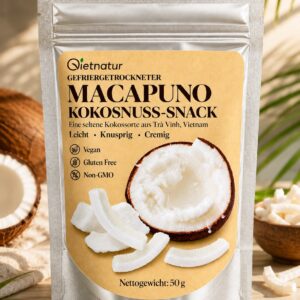


Best Hiking Snacks: Energy Foods for Outdoor Adventures
Hiking and trekking are outdoor activities that build endurance, improve physical fitness, and help recharge your mental energy. However, to...
read more

FREE Express Shipping On Orders $99+

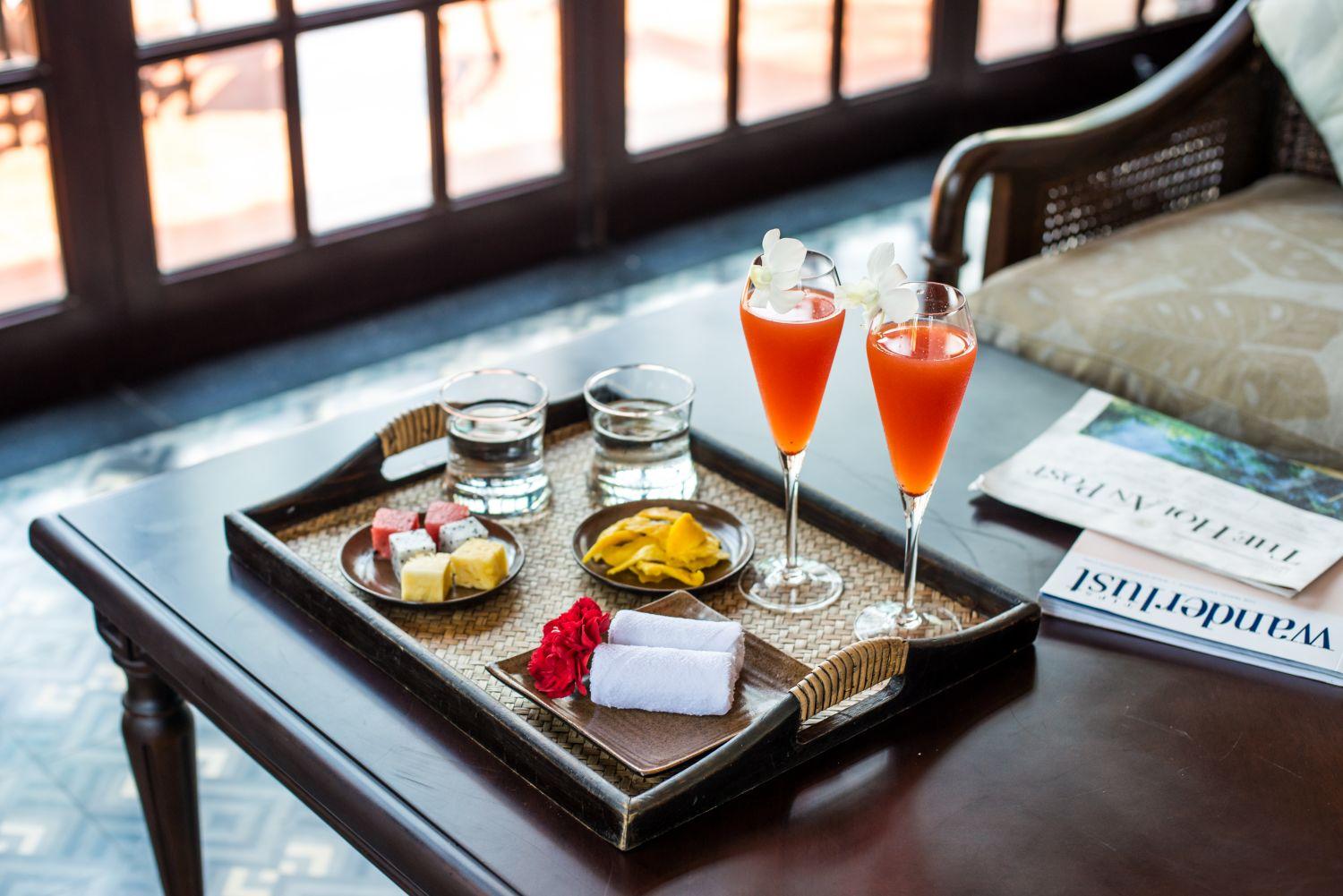
In the fiercely competitive hospitality industry, optimizing the hotel experience requires a deeper perspective than merely providing a standard resting space. Today’s travelers expect to feel understood by the brand from the very first moments. A thoughtfully prepared welcome gift is not just a polite gesture, but a strategic touchpoint. This article analyzes the psychological and practical foundations of this welcoming approach.
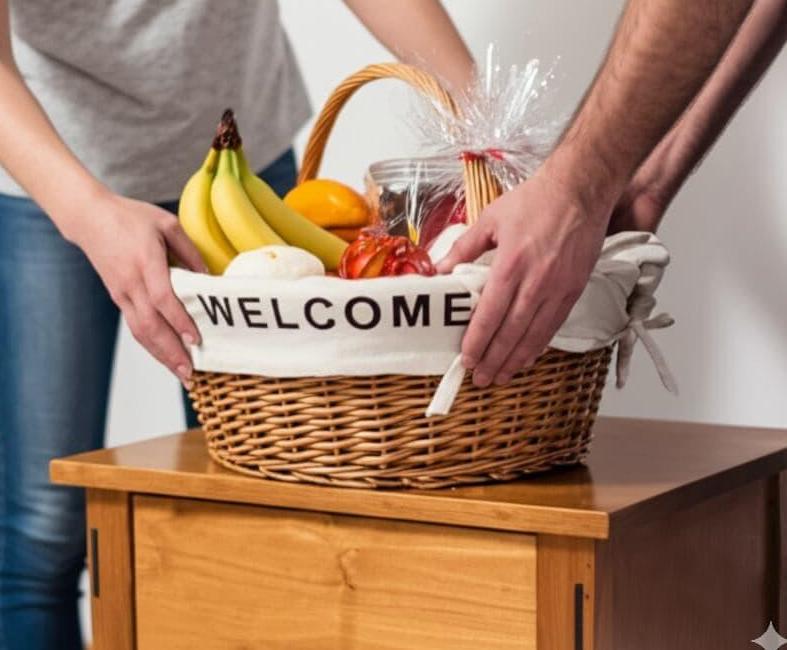
A small gift in the hotel room creates a feeling of being cared for from the very first moments. (Source: Internet)
Behavioral science indicates that people often rely on the first information they receive to build an evaluative lens for the entire subsequent process. In the hospitality sector, this psychological phenomenon is referred to as the halo effect.
Upon completing a long journey, whether for business or leisure, guests often enter their room physically depleted and quite sensitive to their surroundings. The first physical touchpoint in this private space acts as a crucial psychological anchor.
If guests are welcomed by a cold, industrial space, they will maintain a defensive mindset. This state makes them prone to being more critical of minor operational flaws in the following days. Conversely, an intentional arrangement, such as a small gift neatly placed on the table with a welcome card, instantly breaks down psychological barriers. This pleasant surprise triggers a chain of positive emotions, making travelers feel truly valued and expected.
Establishing a relaxed mental state from the very first minutes creates an incredibly solid emotional foundation. As a result, the overall hotel experience throughout the stay will be evaluated by the guest through a much more forgiving, open, and favorable lens.
In operational management, some managers occasionally confuse and lump welcome gifts into the category of standard room supplies. This overlap significantly diminishes the power of emotional touchpoints. To optimize the process, a clear distinction in concept and purpose between these two elements is necessary.
Familiar provisions like bottled water, personal hygiene kits, hair dryers, or instant tea packets belong to the group of hotel amenities. These items directly serve the daily essential living needs of travelers. Based on expectation theory, guests assume these items must be available, corresponding to the room rate they paid. Due to their purely functional and mandatory nature, they rarely create surprise or leave a deep impression in the user’s memory.
In stark contrast, a welcome gift is not created to solve an essential living need. Its value lies in its voluntary nature and the message of sharing. It is a way for the accommodation to proactively provide a benefit beyond the framework of a standard service contract. This gift is like a warm greeting from a gracious host to a valued guest from afar.
Upon receiving a gift not listed in the fixed amenities, the guest’s brain registers this as a distinct privilege. The shift from a mindset of “what I must receive” to “what I am additionally gifted” is the key to creating an outstanding impression. This clear distinction helps standardize the hotel experience right from the preparation stage, transforming a commercial transaction into a genuine connection.
Customer loyalty to a hospitality brand is rarely built solely by a flawlessly running operational system. In-depth studies on customer service indicate that guest satisfaction reaches its maximum and most sustainable level when they experience moments that far exceed their initial expectations.
The principle of reciprocity in social psychology explains this mechanism very clearly. When an individual receives unconditional care, they have a natural tendency to want to reciprocate with a more positive and open attitude. In the hospitality context, this reciprocation manifests through guests being friendlier to the staff, more willing to spend on ancillary services like dining or spa, and most importantly, actively leaving objective, praising reviews on online platforms.
A properly designed welcome gift will directly touch upon esteem needs in Maslow’s hierarchy of needs. Guests clearly feel that they are not just a booking code on a management system, but a distinct individual whom the brand has taken the time to understand and care for.
The meticulousness in preparing welcome items demonstrates the deep observational capacity of the operational team. It is the depth of this sophistication that will determine the sustainability of a quality hotel experience in the guest’s mind, turning them from one-time service users into enthusiastic brand ambassadors.
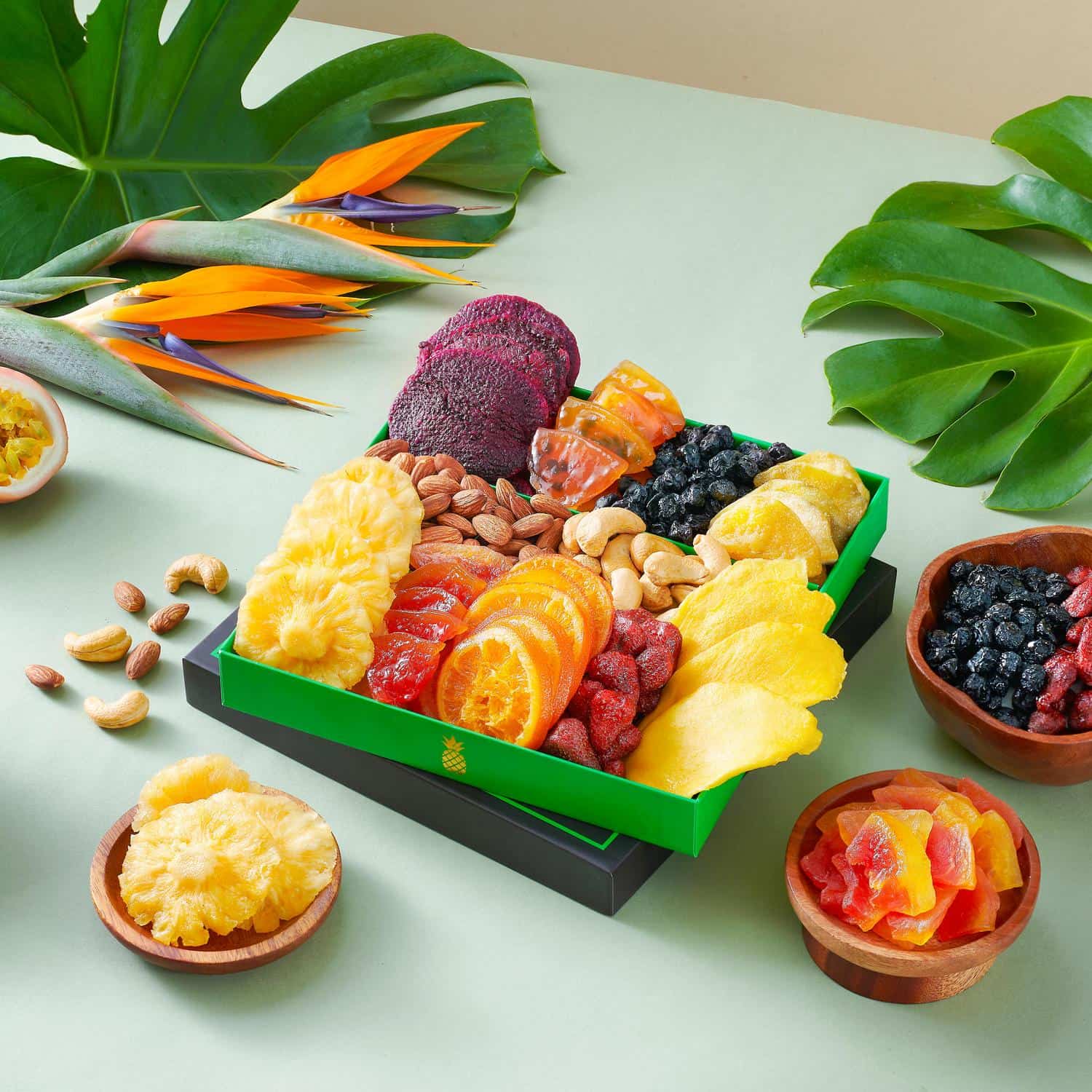
Vietnamese tropical agricultural products become a unique choice for premium welcome gifts. (Source: Internet)
The definition of luxury in the hotel industry has undergone significant transformations over the past decade. Industry experts today no longer evaluate the level of premium quality solely through the ostentation of interior materials, crystal chandeliers, or showy gold-plated details. Instead, premium hotel service is defined by sophistication, sustainable development thinking, and the ability to deliver novel experiences that go beyond boring stereotypes.
For the European market in general and Germany in particular, guests are already too familiar with standard welcome gifts like chocolate, industrial gummy candies, biscuits, or a plate of fresh apples. To create a breakthrough, introducing exotic and novel elements into the welcome gift is a highly effective differentiation strategy.
Utilizing tropical specialty gifts from Vietnam brings a breath of fresh air, piques curiosity, and creates a highly memorable taste experience. Instead of mass-produced confectioneries, a jar of crisp dried jackfruit – with a processing method that retains its natural texture, crisp and not at all soft or chewy – brings a delightful surprise to international travelers.
Similarly, a rustic portion of coconut-coated cashews, blending the rich flavor of roasted cashews with a fragrant thin layer of coconut, or a few slices of refreshing dried pomelo peel jam, not only stimulates exploration but also tells a story of refined culinary fusion. This novelty does not detract at all from the luxury of the resort space. On the contrary, choosing purely natural gifts reflects practical care for the guest’s well-being after a long journey, directly answering the current wellness trend.
Leveraging unique flavors completely different from the familiar Western frame of reference, combined with eco-friendly packaging such as reusable glass jars or kraft paper bags, is the most practical way to create the true caliber of a modern hotel experience.
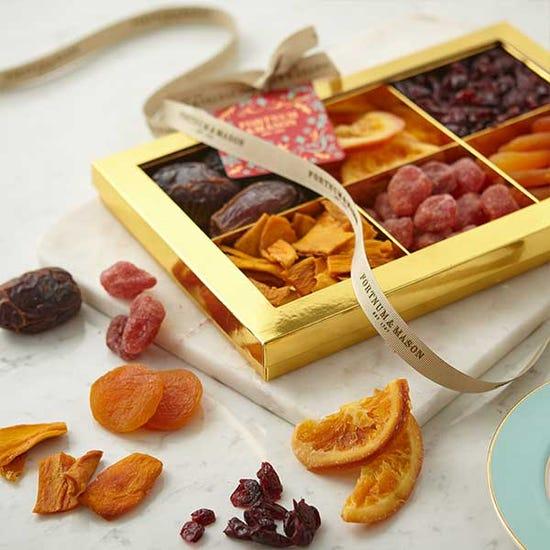
Natural gift solutions align with the sustainable trends in the hospitality industry. (Source: Internet)
Depending on their scale and core positioning, accommodations in the German market can flexibly design their gift strategies to optimize operational costs while still ensuring the highest emotional performance for guests.
At eco-resorts or boutique hotels focusing on sustainability, novelty and health criteria are particularly prioritized. These establishments can replace plates of fresh fruit, which easily bruise and spoil quickly, with portions of crisp dried tropical agricultural gifts that have a longer shelf life. This solution not only optimizes the preservation process for the housekeeping department but also minimizes the risk of food waste. Serving a portion of original-flavor crisp dried fruit accompanied by a warm cup of tea brings absolute relaxation while sparking the joy of discovering Asian flavors right in the heart of Europe.
Through a different lens, for the business hotel segment in bustling urban centers like Frankfurt, Munich, or Berlin, the service context is entirely different. Guests usually have very tight schedules, constantly facing work pressure, extended meetings, and jet-lagged flights.
In this context, a compact gift package of mineral-rich coconut-coated cashews to nibble on while working late at the in-room desk – a stark contrast to boring packets of biscuits – is a solution that hits the mark psychologically. The product provides wholesome energy without causing heaviness, helping guests maintain alertness and better recover their physical state.
Regardless of the segment applied, introducing a completely novel and refined product into the room space will break the monotony. A memorable hotel experience always stems from the ability to deliver pleasant surprises, transcending standard amenities to truly touch the emotions of the guest.
In general, a welcome gift goes far beyond the meaning of a mere physical item to become a strategic communication tool between the accommodation and the guest. By cleverly integrating elements of novelty, health-consciousness, and personalization, this small gift helps forge a lasting emotional bond. A serious and sophisticated investment in the initial welcoming touchpoint is the core foundation for elevating the hotel experience. If you are looking for novel welcome gift solutions to create a distinct signature for your property, explore the refined, health-conscious collection of tropical agricultural products at VietNatur.
Entdecke passende VietNatur Produkte zu diesem Thema.