Best Hiking Snacks: Energy Foods for Outdoor Adventures
Hiking and trekking are outdoor activities that build endurance, improve physical fitness, and help recharge your mental energy. However, to...
read more

FREE Express Shipping On Orders $99+

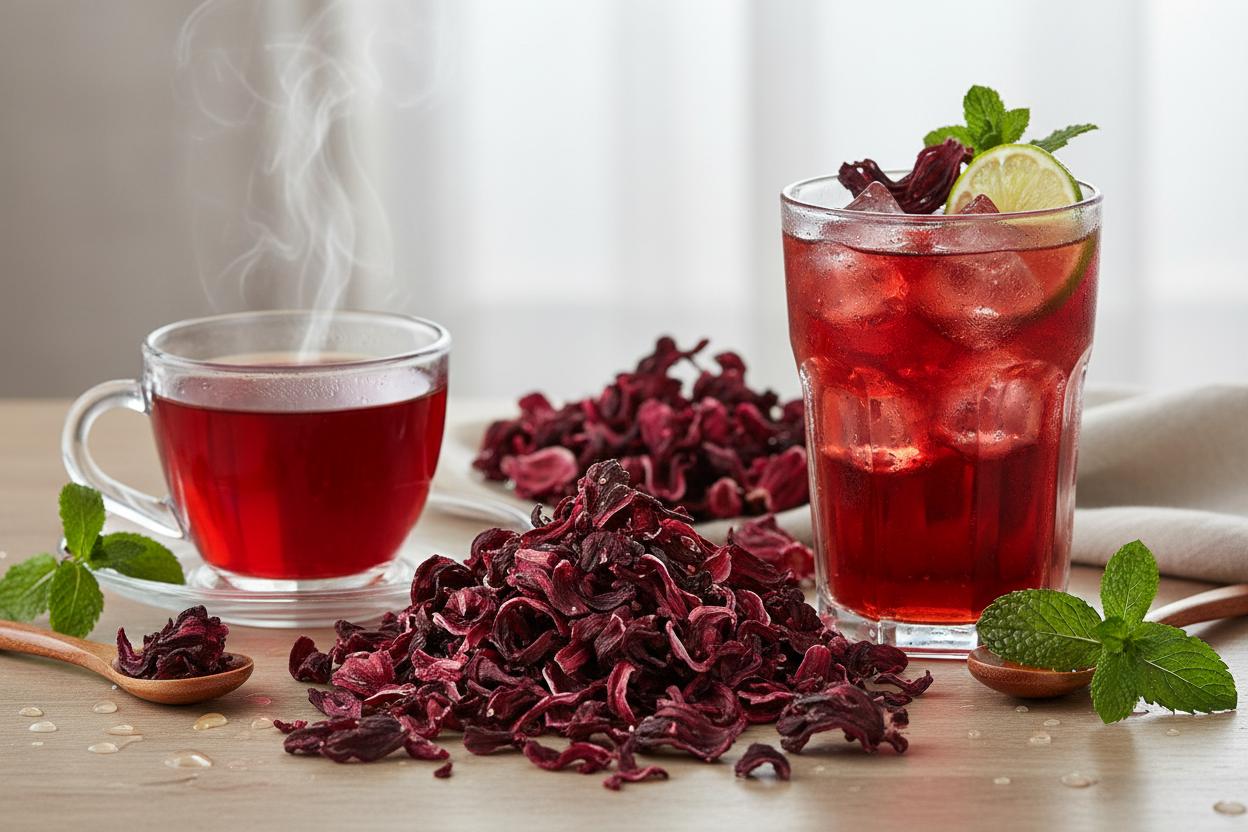
Hot weather drives up hydration needs, prompting a search for refreshments that both quench thirst and support well-being. Brewing cooling hibiscus tea from whole dried calyces has become a preferred routine for many. Its pleasantly tart flavor and eye-catching ruby-red hue not only awaken the palate instantly but also supply valuable botanical compounds, turning a daily hydration habit into an easy, refreshing, and satisfying culinary experience.
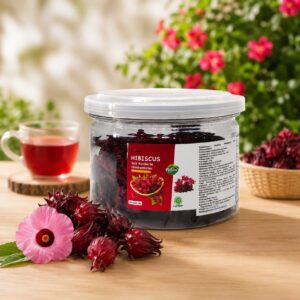
Dried Hibiscus sabdariffa calyces contain an abundance of anthocyanin pigments, yielding a deep, natural crimson shade when infused in water. These compounds serve as natural antioxidants, helping protect cells from the negative effects of free radicals induced by summer heat stress.
Alongside anthocyanins, dried calyces are rich in natural organic acids such as citric acid, malic acid, and hibiscus acid. This combination delivers a characteristically crisp tart profile that stimulates saliva production and swiftly relieves the dry, parched throat caused by dehydration.
Using whole dried calyces rather than finely ground tea bags allows you to oversee raw ingredient quality with ease. Intact blossoms minimize tea dust or synthetic flavorings, ensuring every sip retains nature’s inherent purity.
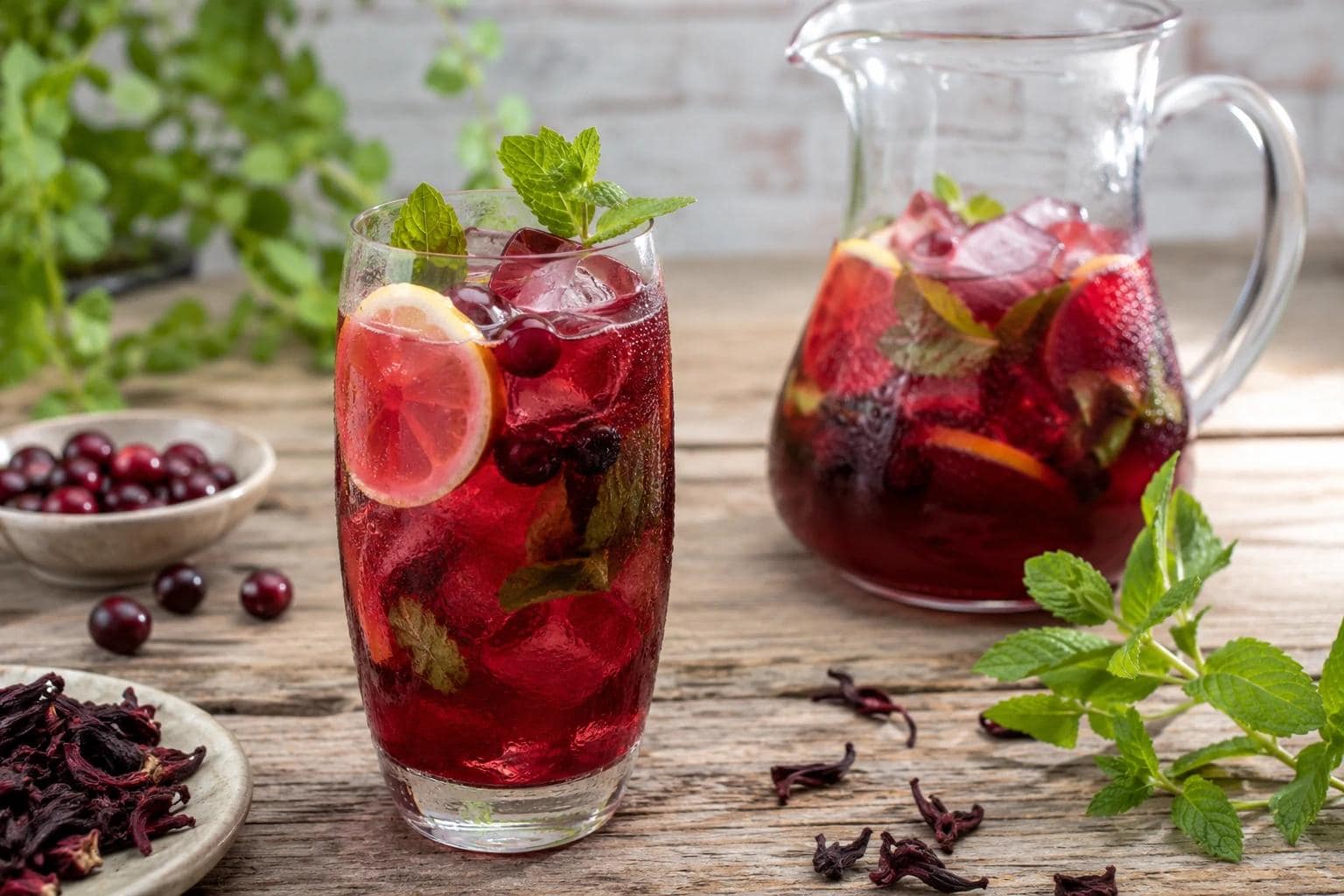
A pitcher of iced Hibiscus tea with its natural ruby-red color, complemented by fresh orange slices and mint. (Source: Internet)
To begin a wholesome, refreshing batch of homemade summer tea to enjoy all day, ingredient selection plays a decisive role in both clarity and aftertaste. You will only need basic, readily accessible components:
Water quality directly influences the tea’s color. Filtered water or light mineral water ensures the ruby hue stays clear and bright, avoiding the murky brownish tone that often occurs with high water hardness.
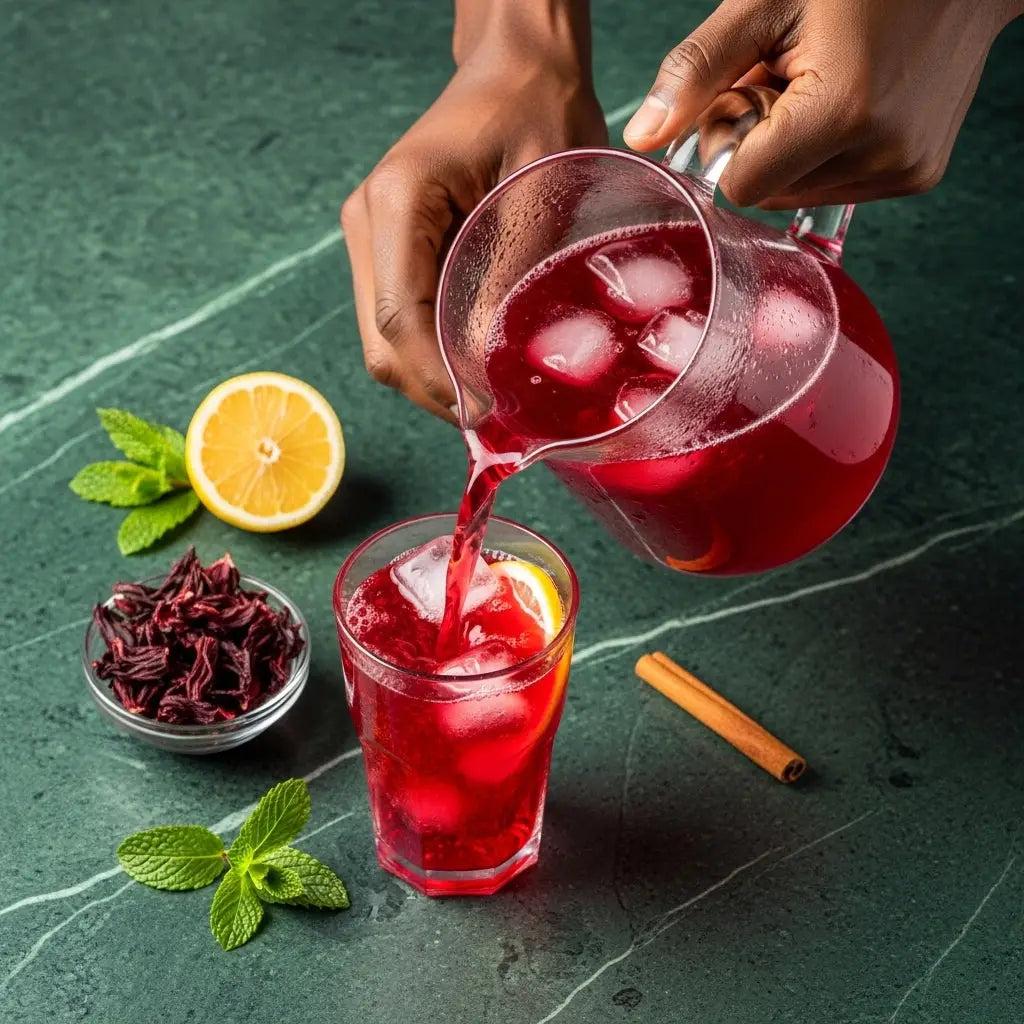
Whole dried Hibiscus calyces and a glass of freshly brewed Hibiscus tea. (Source: Internet)
To extract optimal botanical properties and flavor without introducing bitterness, hot-water brewing requires attention to temperature and time:
Mastering this method for how to make hibiscus iced tea ensures you always have a chilled beverage ready in the fridge throughout sweltering days without tedious preparation every time.
By nature, hibiscus calyces possess a pronounced acidity due to their organic acid content. Many people instinctively add large amounts of refined sugar to mask this sourness, unintentionally turning a cooling drink into an unnecessary source of surplus energy.
To craft pleasant, smooth low-sugar drinks, you can implement thoughtful alternatives:
This adjustment maintains the beverage’s authentic cooling properties while protecting digestion and weight management across the summer season.
Despite its benefits, the natural acidity of calyces calls for moderation. It is best to drink hibiscus tea roughly 30–45 minutes after meals, avoiding consumption on an empty stomach to prevent gastric irritation.
A healthy adult can consume 1 to 2 glasses daily (approximately 300–500 ml of diluted tea concentrate). Individuals with a history of low blood pressure or pregnant women should consult medical advice before incorporating hibiscus tea regularly into their daily diet.
Preparing a pitcher of cooling hibiscus tea at home from dried calyces is a straightforward way to care for your family and yourself. Its crisp, thirst-quenching tartness, naturally vivid color, and rustic preparation will guide you effortlessly through the most stifling summer days.
Entdecke passende VietNatur Produkte zu diesem Thema.