Best Hiking Snacks: Energy Foods for Outdoor Adventures
Hiking and trekking are outdoor activities that build endurance, improve physical fitness, and help recharge your mental energy. However, to...
read more

FREE Express Shipping On Orders $99+

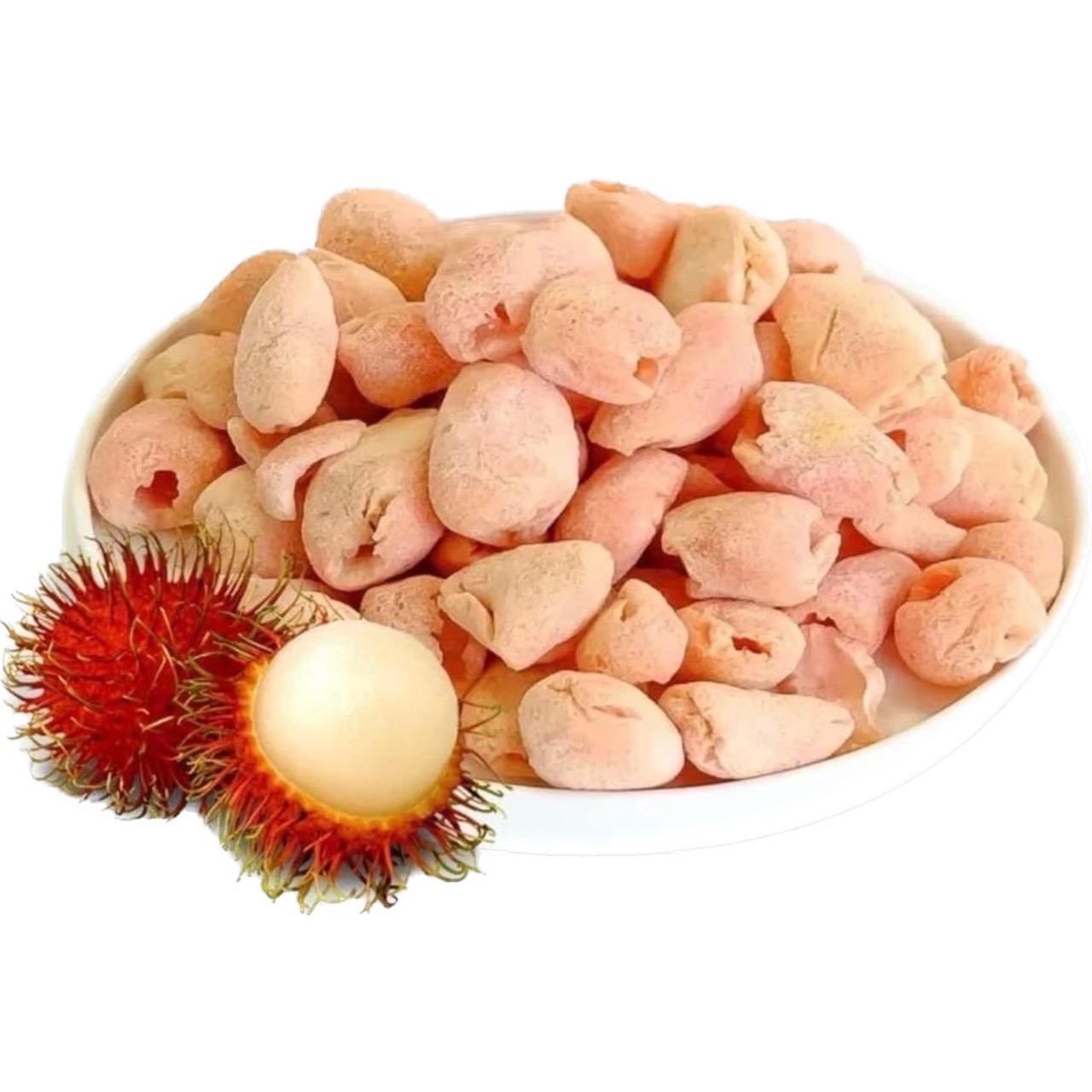
Instead of using added sugars, freeze-dried rambutan offers a mild sweet taste based on the principle of water reduction. This processing method primarily applies changes in pressure and temperature to dry the ingredients, thereby creating structural changes. Understanding the physical mechanism behind the freeze-drying process will give you a more objective view of the quality, appearance, and actual nutritional content of the product before making a consumption decision.
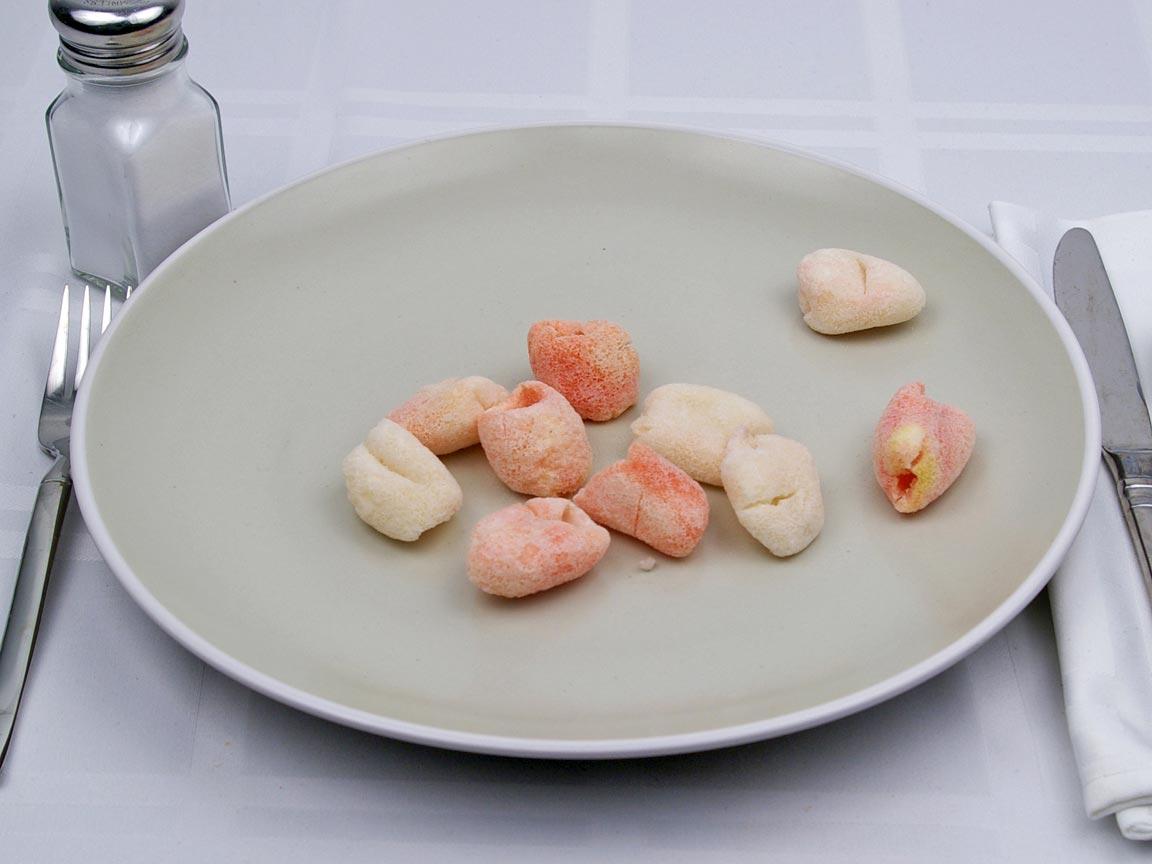
Freeze-drying technology removes water while preserving the fruit’s natural sugars. (Source: Internet)
To explain why the product has a distinct sweet taste without marination, we need to look at the operating principles of freeze-drying technology. The production process of freeze-dried rambutan is largely based on the physical process of turning ice into vapor, minimizing impacts that change the chemical nature of natural sugars.
In nature, a ripe rambutan typically consists of about 80% water by weight. This water mass disperses the endogenous fructose content, bringing a refreshing and juicy sensation. When introduced into the freeze-drying process, the ingredient is first quickly frozen at deep sub-zero temperatures. This process turns most of the water inside the fruit flesh into ice crystals.
Next, the ingredient is placed in a vacuum chamber with extremely low pressure. Under these conditions, sublimation occurs: ice crystals change directly from a solid state to a gaseous state without liquefying. As a result, the majority of the water is removed from the fruit’s structure.
When water evaporates, the soluble solid components, including natural fructose, are retained. At this point, the remaining natural sugar becomes more concentrated by mass. This means the sugar density per gram of the finished product is much higher than the original fresh fruit. Our taste buds perceive a stronger and clearer sweet taste due to this increase in density, rather than from biochemical concentration or the addition of external sweeteners.
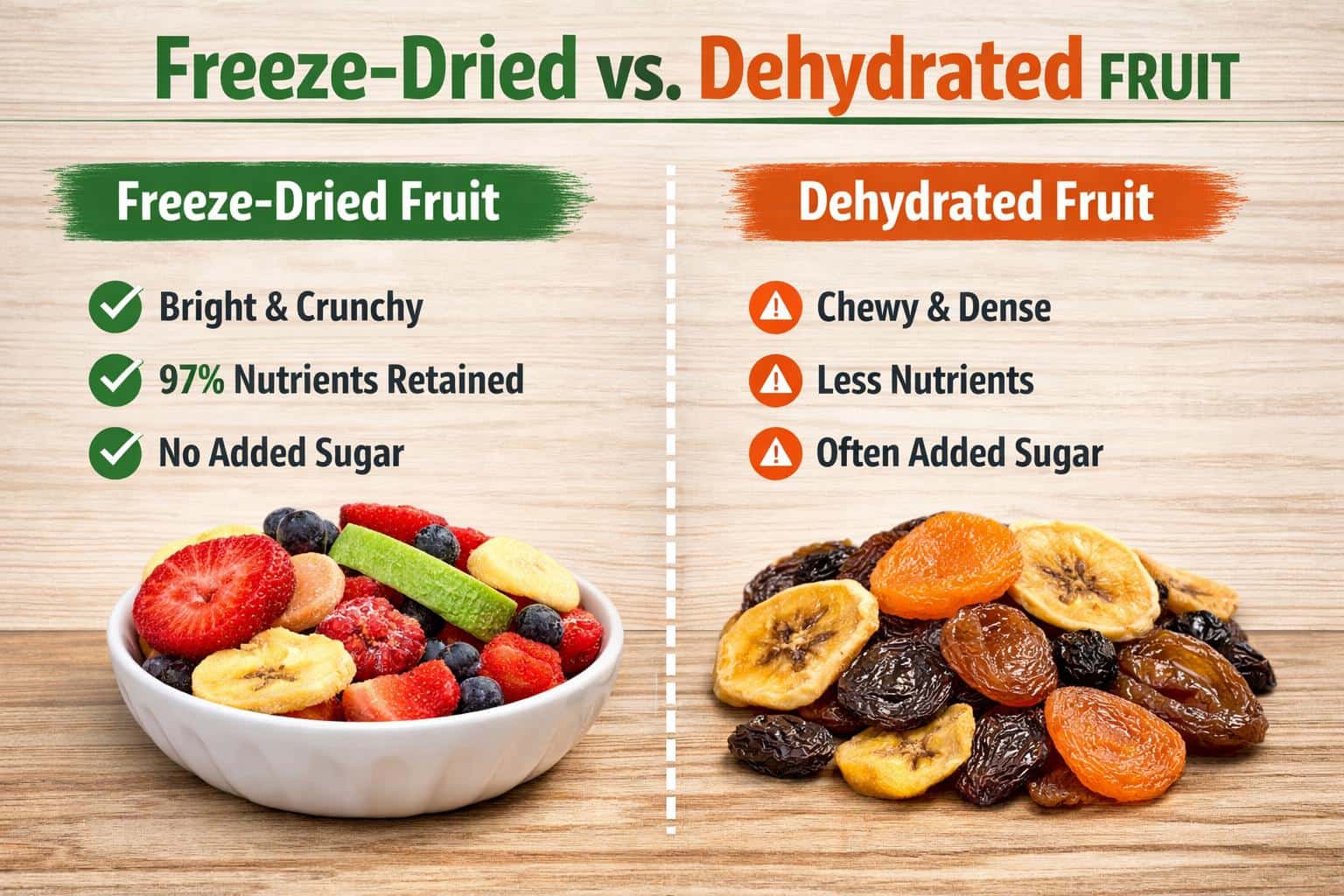
Different drying methods create differences in the texture of the final product. (Source: Internet)
The current market offers many lines of dried fruit, from soft-dried and crispy-dried to freeze-dried. Each processing method relies on different techniques, leading to major differences in the texture and appearance of the finished product.
Traditional heat drying methods typically use a flow of hot air to slowly evaporate water. Meanwhile, freeze-drying takes place in a sub-zero and vacuum environment. This fundamental difference can be summarized in the comparison table below:
| Criteria | Freeze-drying | Traditional heat drying |
| Water removal mechanism | Water changes directly from solid (ice) to gas (sublimation) under vacuum conditions. | Liquid water evaporates gradually under the influence of heat (hot air). |
| Shape & Volume | Usually helps maintain the original shape and volume of fresh fruit better, depending on the ingredient’s characteristics. | Can cause shrinkage and changes in surface structure due to the gradual dehydration process. |
| Finished product texture | Has a crispy, porous, light texture that easily crumbles upon impact. | Usually dense, chewy (for soft-dried) or rigid (for fully dried). |
| Preservation factors | Has good storage stability when packaged with appropriate moisture and light barrier materials. | Depending on the remaining moisture, sometimes requires combining with sugar or specific packaging methods to maintain chewiness. |
Through the comparison table, it can be seen that avoiding continuous high temperatures gives freeze-dried rambutan a very characteristic physical structure. Because sublimated ice crystals transform into water vapor, they leave microscopic voids in the fruit flesh, helping to maintain the product’s porous structure that is difficult for some other drying methods to achieve.
When examined from a food science perspective, one of the freeze-drying benefits often mentioned is the ability to preserve heat-sensitive compounds. Fresh rambutan is a fruit that provides carbohydrates along with a certain amount of vitamin C. However, vitamin C (Ascorbic acid) is a component that easily degrades when exposed to high temperatures and oxygen over an extended period.
Since the freeze-drying process occurs primarily at low temperatures and in an oxygen-limited vacuum chamber environment, this method can help limit vitamin C loss compared to some processing methods utilizing heat. This means the micronutrient retention level of freeze-dried rambutan is generally more positive, although it cannot be claimed to be 100% preserved as when the fruit was fresh.
The actual level of nutrient retention still depends on many factors such as the quality of input ingredients, freezing speed, operational equipment, and post-drying preservation process. Even so, the application of this technology still provides consumers with a food solution that has stable nutritional value, contributing in part to diversifying the supply of energy and micronutrients in the daily diet.
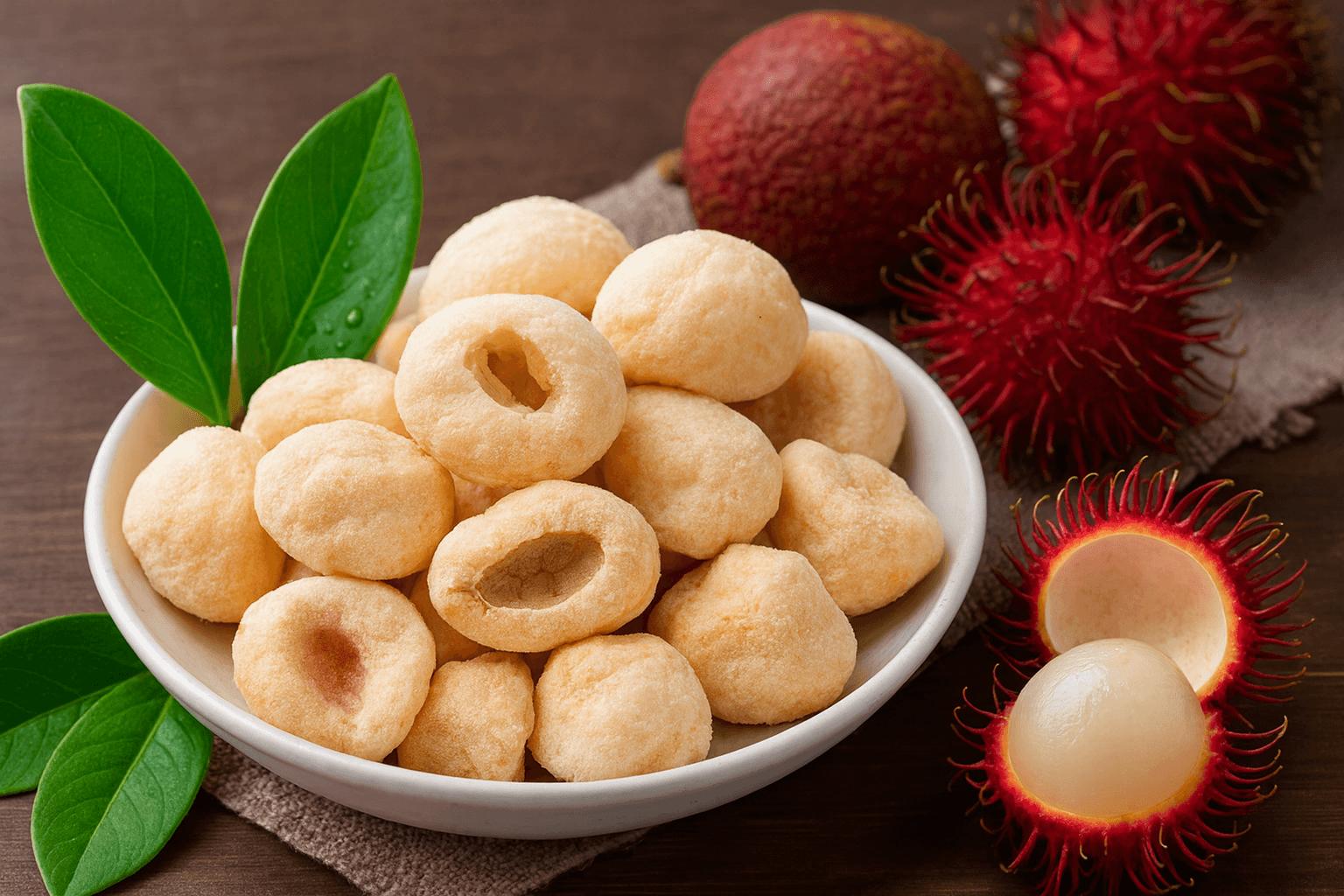
Removing water increases the concentration of natural sugars per gram of freeze-dried rambutan. (Source: Internet)
Currently, a segment of diet-conscious consumers often tends to look for transparent and minimalist labels. Choosing unsweetened dried fruit lines (no added refined sugar) is gradually becoming popular in many markets, giving users more peace of mind by not having to consume additional industrial sweeteners.
However, it is necessary to have an objective and accurate perspective regarding nutrition. The fact that a product has no added sugar simply makes it easier for consumers to recognize the food’s inherent ingredients. Fresh fruit itself naturally contains amounts of fructose and glucose. When going through the freeze-drying process, water (making up about 80% of the mass) is withdrawn, causing the remaining soluble solids to become more concentrated.
Because of this, despite not being marinated with any sweeteners, freeze-dried rambutan still contains the fruit’s natural sugar and has a sugar content per 100g of finished product that is much higher than 100g of fresh fruit. Understanding this principle correctly will help consumers be more proactive in balancing their diet. The product provides a fast and pure energy source from the original agricultural produce, but still needs to be consumed in reasonable portions to match the daily target carbohydrate intake.
The development of preservation technology brings many diverse options, but also requires customers to equip themselves with observation skills. When deciding to buy tropical fruit that is freeze-dried, you should pay attention to several criteria regarding sensory aspects and packaging specifications to evaluate the product’s stability.
Physically, a freeze-dried product with good process control typically has a relatively even color, with no abnormal signs of mold or dark spots caused by oxidation. The weight of the fruit held in hand should be very light compared to its actual volume, reflecting a standard dehydration rate. The texture of the finished product needs to be crispy and porous.
More importantly, the shelf life of freeze-dried items depends heavily on the packaging materials. The porous structure with many empty spaces makes them extremely prone to absorbing moisture back from the surrounding environment. When exposed to air, the product will quickly become soft and lose its crispness. Therefore, preservation requires types of packaging with high moisture and light barrier capabilities, such as multi-layer aluminum-coated bags or airtight containers with sealing films.
It should be noted that vacuum sealing is only intended to remove air, while the ability to prevent water vapor intrusion depends on the materials constituting the packaging. A sealed packaging system, combined with a specialized desiccant packet inside, will help maintain the physical and mechanical quality of the food over a long period.
In summary, the mild sweet taste of freeze-dried rambutan comes from the physical mechanism of evaporating water, making the natural components in the fruit more concentrated by mass. This method provides a convenient snacking solution that maintains a porous structure and limits micronutrient loss compared to heat drying. By clearly understanding the nature of natural sugar content and the necessity of a moisture-barrier packaging system, you can confidently choose suitable products to add to your daily healthy snack menu.
Entdecke passende VietNatur Produkte zu diesem Thema.