Muesli with Dried Mango: Breakfast Upgrade
Muesli has long been a popular breakfast choice in many households - thanks to its convenient preparation and balanced nutritional...
read more

FREE Express Shipping On Orders $99+

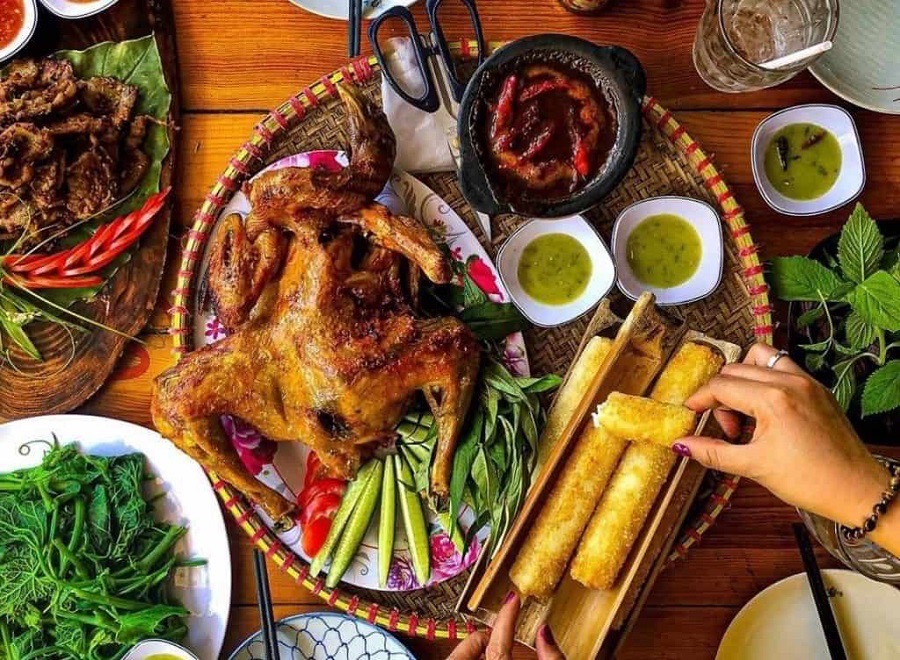
Discover the flavours of Vietnam’s highlands with Com Lam with grilled chicken. This dish pairs fragrant sticky rice cooked inside bamboo tubes with juicy chicken coated in an aromatic spice marinade. Serve it with sesame salt or chilli salt for a satisfying meal to share.
In this recipe, the rice comes in three natural colours: white, purple from lá cẩm leaves and orange-red from gấc fruit. The chicken is seasoned with mắc khén and hạt dổi before cooking in an air fryer. If you cannot find suitable bamboo tubes, you can prepare the colourful sticky rice in a steamer instead.
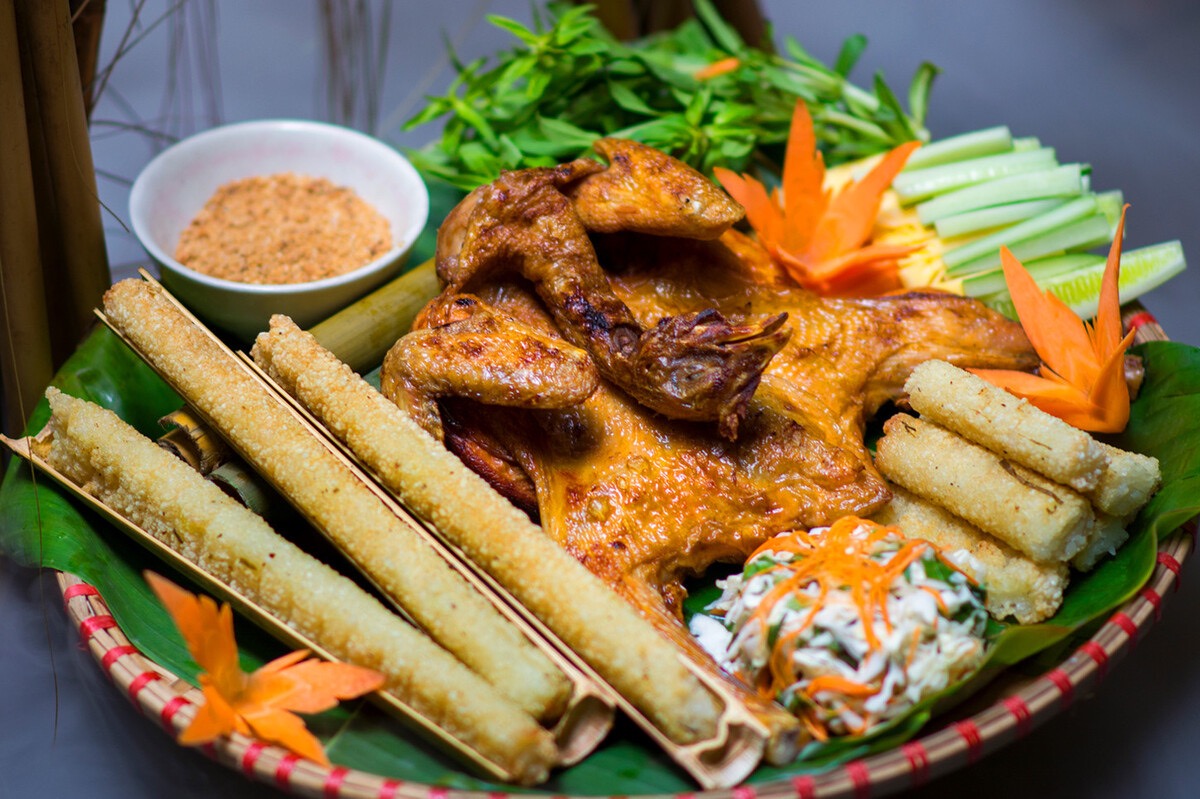
Cơm lam is a traditional method of cooking rice with water inside bamboo tubes over hot embers. It is associated with several mountainous regions of Vietnam. In the Central Highlands, known as Tây Nguyên, bamboo rice is often served with grilled chicken.
As the rice cooks, it absorbs a delicate bamboo fragrance. Cooking over charcoal also adds a subtle smoky aroma. Before serving, the outer bamboo shell is removed and the rice is divided into manageable pieces.
This version combines bamboo rice and chicken with mắc khén and hạt dổi, aromatic spices particularly associated with Vietnam’s northwestern mountain cuisine.
The chicken is savoury and aromatic, with juicy meat and golden skin. Mắc khén adds citrus-like notes and a gentle tingling sensation, while hạt dổi contributes a warm, intense roasted aroma.
The sticky rice provides a soft, pleasantly chewy contrast. Its three colours make the dish especially attractive: naturally white rice, purple rice coloured with lá cẩm and orange-red rice mixed with gấc fruit.
A little sesame salt or chilli salt adds a final savoury touch.
Difficulty: Medium
The main preparation involves soaking and colouring the sticky rice, filling the bamboo tubes and marinating the chicken. When cooking over charcoal, the tubes need regular turning to help the rice cook evenly.
Allow time for soaking the rice and at least 30–60 minutes for marinating the chicken. Cooking times vary depending on the bamboo tubes, heat level, chicken size and air fryer.
Serves 2–4
How many bamboo tubes do you need?
This depends on their usable internal volume. For 300 g of dry rice, you will not need ten large tubes measuring 5–8 cm across and 25–30 cm long. Prepare only enough tubes for the amount of rice you have.
These seasoning quantities are suggested starting points. Hạt dổi is particularly intense, so use it sparingly at first.
Rinse the sticky rice several times until the water becomes noticeably clearer.
Simmer the lá cẩm leaves in a little water until they release a deep purple colour. Strain and allow the liquid to cool completely.
Separate the coloured gấc pulp from the seeds. Mash the pulp with a small pinch of salt and, if using, the rice spirit.
Divide the rice into three equal portions:
Follow the soaking instructions on the rice packaging, typically around 4–6 hours. Drain well. Reserve some of the purple soaking liquid if needed for cooking the purple rice.
Thoroughly clean the inside of the cooking-grade bamboo tubes.
Spoon the rice into separate tubes for each colour. Fill only about halfway to two-thirds of the usable space with soaked rice, without packing it down.
Add water, or reserved purple liquid for the purple rice, until the rice is just covered. Leave enough empty space above the filling.
Loosely plug each opening with a folded piece of banana leaf. The leaf should protect the contents without creating an airtight seal.
Pat the chicken dry with kitchen paper and butterfly it so it lies flat. You can also ask your butcher to prepare it this way.
Peel the shallots and garlic. Finely chop or blend them with the green peppercorns and chillies.
Briefly dry-toast the mắc khén and hạt dổi over low heat until fragrant. Allow to cool, then grind finely.
Combine the ground spices with the shallot mixture, chilli powder, turmeric, garlic powder, fish sauce, salt, optional MSG and 1 tbsp cooking oil.
Rub the marinade evenly over both sides of the chicken. Cover and refrigerate for at least 30–60 minutes.
Place the filled bamboo tubes over steady charcoal embers, away from tall, direct flames.
Turn them regularly so the rice cooks evenly. Start checking after approximately 30 minutes, although larger tubes may take considerably longer.
The rice is ready when the grains are soft all the way through, with no hard centre. A browned bamboo exterior and fragrant aroma are useful signs, but always check the rice itself.
Carefully remove the hot tubes using heat-resistant gloves or suitable barbecue tongs.
Preheat your air fryer according to the manufacturer’s instructions. Place the chicken in the basket with enough space for air to circulate, ensuring it does not touch the heating element.
For a butterflied chicken weighing approximately 1–1.2 kg, use the following as a starting guide:
Watch closely during the final stage, as the spices can darken quickly.
Check the internal temperature: The chicken must reach at least 70°C throughout for two minutes. Use a meat thermometer in the thickest parts of the breast and thigh, without touching bone. Continue cooking if necessary.
Rest the cooked chicken for approximately 5–10 minutes before carving.
Allow the bamboo tubes to cool slightly. Carefully split and peel away the outer bamboo shell. A thin inner membrane may remain around the rice and can be removed before eating.
Cut the rice into manageable pieces. Carve the chicken and arrange it on a platter with the three rice colours.
Serve with sesame salt or chilli salt. Add a little ground mắc khén to the dipping salt if you enjoy its citrus-like aroma.
| Ingredient | Name to Look For | Shopping Tip |
|---|---|---|
| Sticky rice | Klebreis / Glutinous Rice / Gạo nếp | Look in Asian grocery stores. Choose glutinous rice rather than regular sushi rice. |
| Lá cẩm | Lá cẩm leaves / Purple sticky rice colouring | Ask specialist Vietnamese food retailers. |
| Gấc fruit | Gac fruit / Gac pulp / Gấc | Look for fresh or frozen pulp at Vietnamese grocery stores. |
| Mắc khén | Mắc khén | Search using the Vietnamese name; it is a specialist ingredient. |
| Hạt dổi | Hạt dổi / Dổi seeds | Ask Vietnamese speciality food retailers. |
| Whole chicken | Ganzes Hähnchen / Maishähnchen | Choose a chicken that fits comfortably in your air fryer. |
| Banana leaves | Bananenblätter | Often sold frozen in Asian grocery stores. |
| Bamboo tubes | Bamboo tubes suitable for cooking | Use untreated tubes explicitly intended for food preparation. |
You can cook the three rice portions in a steamer lined with banana leaves.
Arrange the leaves so that some openings remain for steam to circulate. Spread the drained rice loosely over the leaves, keeping the colours separate.
Steam over boiling water for approximately 25–40 minutes, checking the texture as it cooks. If the rice is still firm, sprinkle with a little hot water and continue steaming.
This method produces colourful sticky rice with a gentle banana leaf aroma, although it will not have the bamboo and charcoal fragrance of traditional Com Lam.
Sticky rice absorbs water and expands during cooking, so it needs space.
Packing the tubes too tightly can cause uneven cooking and leave the rice firm in the centre. Fill them only partially and avoid pressing the rice down.
Turning the chicken helps it cook more evenly. A light coating of oil supports browning, while a brief hotter finishing stage helps crisp the skin.
The exact number of stages is less important than controlling the heat, checking regularly and making sure the meat is fully cooked.
Mắc khén has a citrus-like fragrance and can create a mild tingling sensation on the tongue.
Hạt dổi contributes an intense, warm, roasted aroma. Start with a small amount so it does not overpower the other ingredients.
Yes. Garlic, shallots, chilli, pepper and fish sauce still make a flavourful chicken marinade.
The flavour will be different, however. Black pepper does not fully replace the distinctive aromas of these two spices.
No. The three colours are a decorative variation. You can prepare all the rice plain white if you cannot find lá cẩm leaves or gấc fruit.
Yes. Chicken thighs take the marinade well and may fit more easily into a smaller air fryer.
Adjust the cooking time to their size and quantity, and check the internal temperature before serving.
Possible causes include insufficient soaking, too little water, tightly packed rice or a short cooking time.
Uneven heat can also cook the outer rice before the centre is ready. Turn the tubes regularly and check the rice before serving.