Best Hiking Snacks: Energy Foods for Outdoor Adventures
Hiking and trekking are outdoor activities that build endurance, improve physical fitness, and help recharge your mental energy. However, to...
read more

FREE Express Shipping On Orders $99+


The stressful final exam period always comes with long nights of staying up late and exhausting study hours for your child. To help children maintain their peak performance, a scientific afternoon snack regimen plays an incredibly important role.
When studying at a high intensity, a child’s brain consumes a large amount of glucose to maintain thinking capacity. Preparing healthy snacking options for the afternoon snack not only helps dispel immediate hunger but also provides a sustainable energy source, helping your child stay alert to absorb knowledge most effectively.
Some criteria for choosing healthy snacks for your child during exam season that you should know (Image source: Internet)
Many parents have a habit of giving their children sweet candies, carbonated drinks, or fast food for convenience and to quickly compensate for energy. However, nutritional studies indicate that foods high in refined sugar cause blood sugar levels to spike and then drop suddenly. This phenomenon is commonly known as a “sugar crash,” which quickly leaves a child’s body in a state of fatigue, sluggishness, and sleepiness right after eating.
According to the Harvard T.H. Chan School of Public Health, refined carbohydrates lacking fiber cause carbohydrates to break down into glucose too quickly, which is not good for maintaining stable energy. For students during exam periods, maintaining a stable energy level is a deciding factor for concentration. Foods chosen should have a low to medium glycemic index (GI). Energy from these foods is released gradually into the blood, supporting the nervous system to work continuously without causing extreme digestive stimulation.
In addition, exam-season afternoon snacks need to ensure these factors: easy to digest, not too greasy, and convenient to use right at the study desk. When the digestive system does not have to overwork, blood will focus on circulating better to the brain, helping children maintain maximum mental clarity.
Although the brain accounts for only about 2% of body weight, it consumes up to 20% of the total daily energy supply. During the exam preparation phase, neurons operate at a higher capacity, requiring a continuous and quality fuel supply. According to a study on the impact of nutrients on brain function published in the National Institutes of Health, essential fatty acids and a balanced diet have a direct influence on human cognitive health and thinking ability.
To optimize the amount of brainfood energy, a child’s snack should be a combination of complex carbohydrates (complex carbs), fiber, and a moderate amount of protein. Complex carbohydrates, when entering the body, will be broken down into glucose at a slow rate thanks to the support of fiber. This process helps maintain blood sugar at a balanced level, providing regular fuel for thinking, remembering, and analyzing activities. The presence of protein in light meals helps to further slow down the sugar absorption process, while stimulating the production of neurotransmitters that help children feel sharp and reduce psychological stress.
Instead of industrial snacks containing many additives, parents can flexibly design afternoon snack menus for their children using nutrient-rich natural foods that are easy to find or prepare at home.

Yogurt provides essential nutrients and a refreshing taste for children (Image source: Internet)
Yogurt provides an abundant source of protein and probiotics, supporting the digestive system to run smoothly. When combined with fresh berries like blueberries, strawberries, or a few slices of apple, this dish brings a refreshing, natural sweet and sour taste. The antioxidants in berries are also noted for their ability to support the protection of nerve cells.
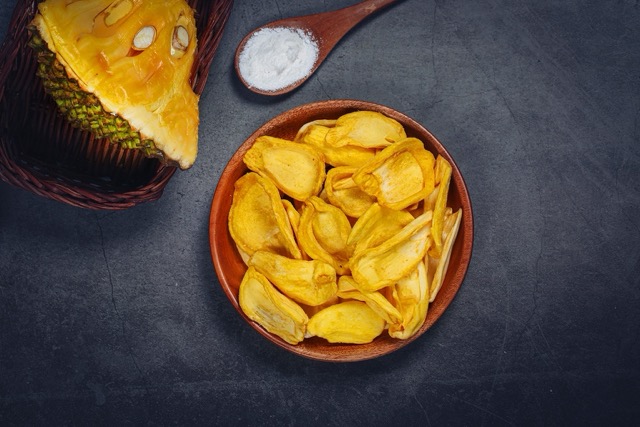
Dried jackfruit helps provide children with a good source of energy (Image source: Internet)
Regarding lines of dried fruit for kids, dried jackfruit provides an abundant source of natural carbohydrates along with minerals such as potassium and magnesium, helping to replenish energy for nerve cells. The characteristic mild sweetness stimulates the taste buds, helping children stay more alert when facing complex exercises. Parents can easily find dried jackfruit products at VietNatur’s store to add to their child’s study corner.
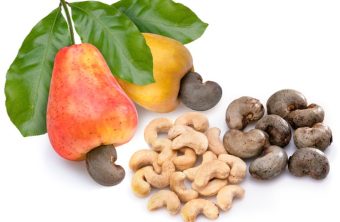
A small handful of nuts like almonds and walnuts is a source of unsaturated fats, especially omega-3 and vitamin E. These are essential components involved in the structure of brain cell membranes. If parents want to change the flavor to keep it interesting for their child, they can choose coconut-coated roasted cashews at VietNatur. The characteristic rich, crunchy taste of cashews combined with the lightly fragrant dried coconut layer helps children stimulate their jaw muscles when chewing, increasing blood circulation to the brain and dispelling the feeling of drowsiness during afternoon study hours.
This is another excellent representative of the root-based dried fruit group, carrying the characteristics of slow-digesting starch. The dense fiber structure is fully retained after the drying process, helping sugar release into the blood moderately, maintaining a feeling of fullness for a long time and preventing severe drowsiness after eating. VietNatur’s dried sweet potato product is a suitable alternative to greasy industrial snacks.
Choosing good food is only half the battle; how and when to feed children plays an equally important role in maximizing the effectiveness of snacks.
Preparing a healthy snacking regimen and scientific diet during exam season is the most practical companionship parents can offer their children. By prioritizing natural foods rich in fiber and vitamins, such as nuts and dried fruits, parents not only help their children have enough energy to serve their brains but also contribute to building a solid foundation of health for their children’s future. If you are looking for convenient choices for exam-season snacks, you can refer to the dried fruit and nutritious nut lines at VietNatur, which are processed from natural ingredients and suitable for use during busy study hours.