Muesli with Dried Mango: Breakfast Upgrade
Muesli has long been a popular breakfast choice in many households - thanks to its convenient preparation and balanced nutritional...
read more

FREE Express Shipping On Orders $99+

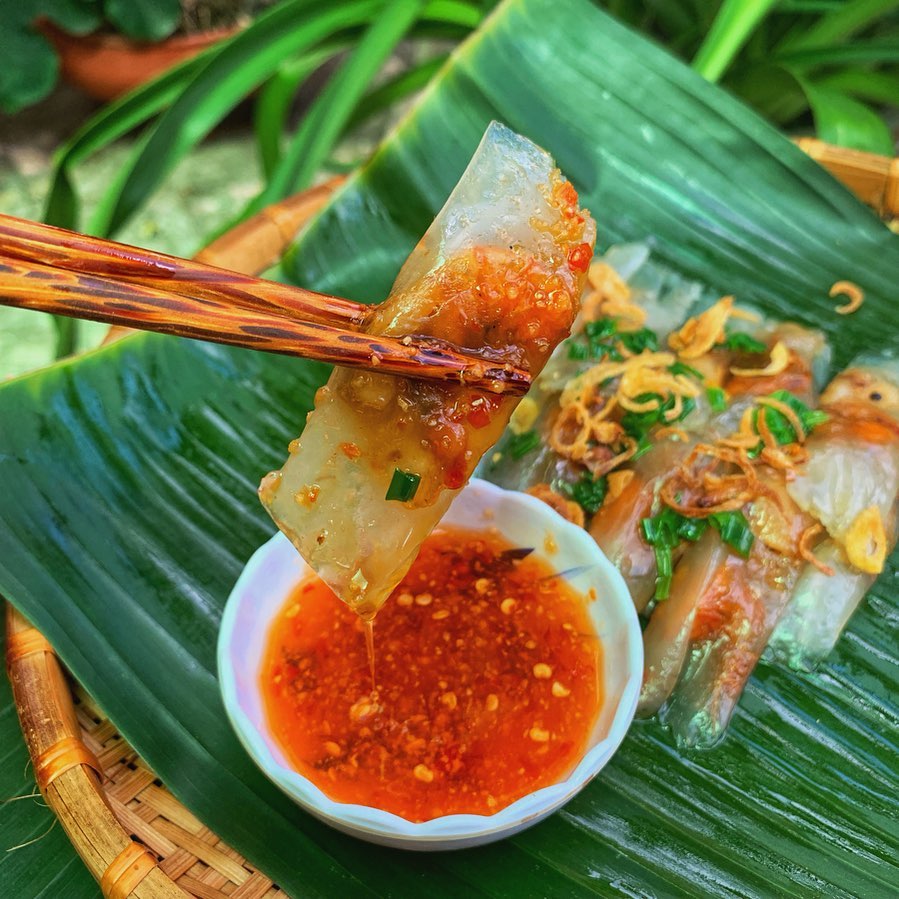
Looking for a Vietnamese specialty to make at home? Bánh bột lọc from Huế are small, steamed tapioca dumplings filled with shrimp and pork belly. Wrapped in banana leaves, they develop a delicate aroma as they steam. A sweet, salty and spicy fish sauce completes the dish.
This Banh Bot Loc recipe takes you through every step, from preparing the filling and getting the dough consistency right to folding the banana leaf parcels. You’ll also find tips for sourcing the ingredients in Germany.
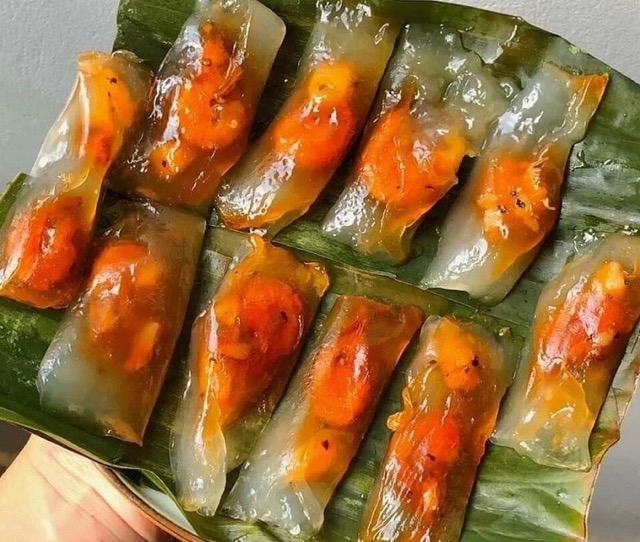
Bánh bột lọc wrapped in banana leaves are one of the best-known specialties of Huế, Vietnam’s former imperial capital. These small dumplings reflect the care and attention to detail associated with the region’s cuisine.
Their appeal lies in the combination of textures and flavours. Once steamed, the tapioca dough becomes translucent and pleasantly chewy, revealing a savoury filling of shell-on shrimp and seasoned pork belly.
The banana leaves help the dumplings hold their shape and give them a subtle, natural fragrance. They are traditionally served warm: unwrap each parcel, remove the leaf and dip the dumpling into a sweet and spicy fish sauce.
The wrappers are soft, elastic and pleasantly chewy. Inside, shrimp and rich pork belly create a savoury filling, while annatto oil adds an appetising colour.
A gentle banana leaf aroma develops during steaming. The bold chilli fish sauce brings everything together with the distinctive sweet, salty and spicy flavours of Central Vietnam.
Difficulty: Medium
The main challenges are partially cooking the tapioca dough to the right consistency and neatly folding the banana leaves. The dough needs to be thick enough to hold the filling but should not be fully cooked before wrapping.
Makes approximately 20 dumplings
Rub the pork belly with a little salt, then clean and pat dry. Cut into small pieces approximately 1 cm thick.
Remove the shrimp heads and devein the shrimp. Clean and drain well. Traditionally, the thin shells are left on, but you can peel the shrimp if you prefer.
Heat the annatto oil in a frying pan. Add the chopped shallots and 2 tsp chopped garlic, then briefly sauté until fragrant.
Add the pork belly and shrimp. Stir-fry over medium heat until they begin to firm up. Add 1 tbsp fish sauce, 1 tsp sugar and, if using, 1 tsp MSG.
Continue cooking until the pork and shrimp are cooked through and most of the liquid has evaporated. The filling should be flavourful and moist, without excess sauce.
In a saucepan, thoroughly mix 300 g tapioca starch, 450 ml water, 1 tbsp cooking oil and 1 tsp salt until smooth.
Heat over medium heat, stirring constantly. As soon as the mixture noticeably thickens, immediately remove the saucepan from the heat.
Continue stirring vigorously until the dough is smooth, thick and milky white. It should be spreadable with a spoon without immediately running across the banana leaf.
Important: Do not fully cook the dough at this stage. If it becomes translucent and very sticky in the saucepan, it will be difficult to portion and wrap.
Cut the banana leaves into pieces approximately 17 × 14 cm. Blanch in hot water for about 3–5 minutes until flexible, then pat dry with a clean towel.
Lightly brush the inner surface of each leaf with cooking oil. Place approximately 1 tbsp dough in the centre and spread it slightly. Add one piece of pork belly and one shrimp.
Bring the two long sides of the leaf together over the filling and fold the edge over twice. Fold both short ends underneath to form a closed, flat parcel.
Secure with a narrow strip of banana leaf or food-safe kitchen string.
Bring water to a boil in a steamer. Arrange the parcels in the steaming basket and cover with the lid.
Steam over medium heat for approximately 15–20 minutes. The dumplings are ready when the dough becomes translucent. Carefully open one parcel to check.
Place the water, 4 tbsp fish sauce and 3 tbsp sugar in a small saucepan. Bring to a boil and stir until the sugar has completely dissolved.
Remove from the heat and allow to cool. Stir in the lemon juice, 1 tsp chopped garlic and the chopped chilli.
The sauce should taste boldly sweet and salty, with a noticeable chilli heat. Add the lemon juice gradually so the acidity does not overpower the other flavours.
Serve the Bánh bột lọc warm. Remove the banana leaves before eating and enjoy the dumplings with the chilli fish sauce.
An Asian grocery store is a useful place to look for the ingredients in this Banh Bot Loc recipe. These names will help you find what you need:
The partially cooked dough should be milky white, thick and spreadable. It needs to spread onto the banana leaf while still holding the filling in place.
If heated for too long, it becomes translucent and very sticky, making wrapping difficult. If it is too runny, it may leak out of the leaves during wrapping or steaming.
Blanching softens the leaves and makes them more flexible. This helps prevent tearing when folding them into closed parcels. The leaves also give the dumplings their characteristic fragrance during steaming.
The dipping sauce is boldly sweet and salty, with a pronounced heat from finely chopped fresh chilli. Acidity is kept relatively mild so the flavour of the shrimp and pork belly can shine through.