Best Hiking Snacks: Energy Foods for Outdoor Adventures
Hiking and trekking are outdoor activities that build endurance, improve physical fitness, and help recharge your mental energy. However, to...
read more

FREE Express Shipping On Orders $99+

In daily meals, our palate unconsciously seeks harmony between extremes. From savory dishes and soups to light bites, completeness always comes from preventing any single flavor from completely dominating. Today, this philosophy goes beyond traditional dishes and spreads strongly through Vietnamese snacks. Preserving authentic flavor identity helps national culinary culture maintain a distinctive, solid standing in consumers’ hearts.
Eastern culture has long been deeply influenced by Yin-Yang and the Five Elements theory, which is faithfully reflected through the lens of cuisine. On a traditional dining table, a standard meal brings together five basic flavors: sour, spicy, salty, sweet, and bitter. Each flavor corresponds to an element (Wood, Metal, Water, Earth, Fire) and represents the natural movement of all things.
Vietnamese people rarely enjoy a dish that features only a single flavor. Even when preparing a savory dish, cooks still add a little sugar to soften the harshness of salt or fish sauce. Conversely, in sweet dessert soups, a tiny pinch of salt is often added to make the sweetness more delicate and deep. The Vietnamese palate is shaped by this mutual generation and restriction, creating a harmonious whole without causing a cloying or unpleasant feeling.
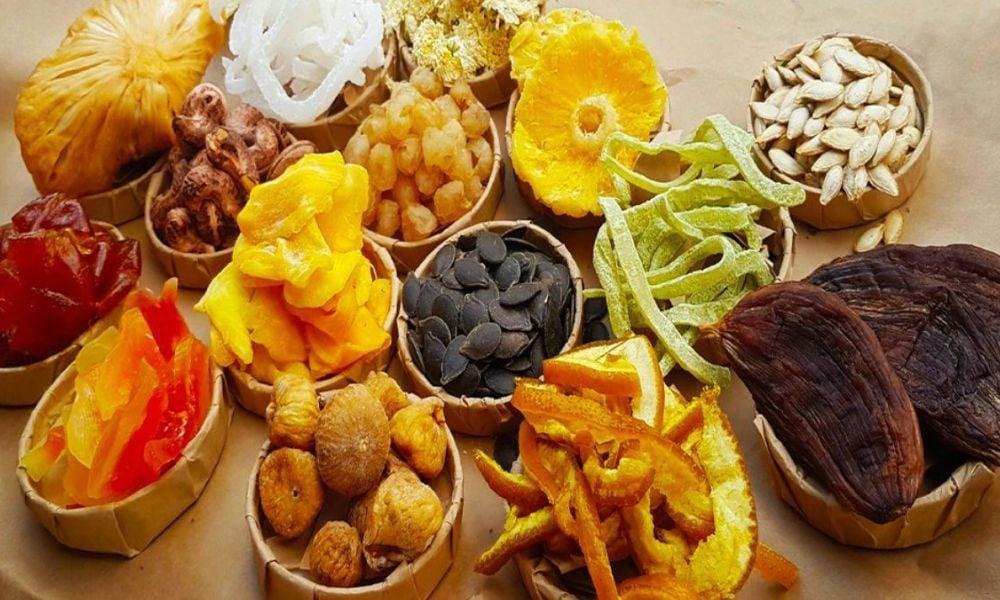
This principle applies not only to main meals but also governs how artisans craft light snacks. From sweet and sour salted preserved fruits, warm spicy ginger jam mingled with granulated sugar, dried pomelo peel slices with salted apricot blending pungent-sour-salty notes, to flavorful multi-taste mixed rice paper. All follow the principle of not letting any single taste become overpowering. This balance continually stimulates the taste buds, turning the enjoyment of Vietnamese snacks into an engaging multi-layered experience.
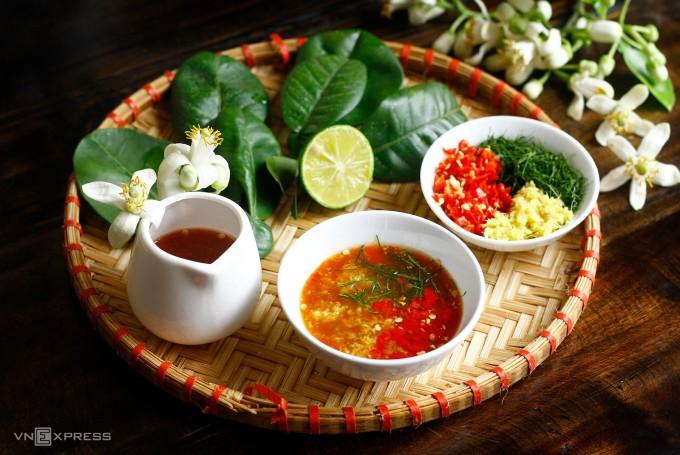
Sweet and sour dipping sauce – the soul of countless traditional Vietnamese dishes. (Source: Internet)
Although the five flavors serve as the foundation, the most frequently encountered and favored flavor combination in Vietnamese cuisine is sour, salty, and sweet. This trio forms a sturdy structure present across most regions from North to South.
Look at the sweet and sour dipping sauce bowl—the soul of countless local dishes. Pure fish sauce carries a sharp saltiness and a deep aroma of fish protein. To transform it into a balanced dipping sauce, lime juice is added for a bright sourness, sugar for gentle sweetness, and finely minced garlic and chili for a touch of warmth and spice. When mixed in the right ratio, the fish sauce loses its initial harshness and becomes smooth, awakening all the senses.
Gỏi (or salad) is also an excellent representative of this trio. Fresh ingredients such as green papaya, lotus stem, or banana blossom are inherently mild. But once dressed with a sour-salty-sweet dressing, their flavors burst immediately. Sourness from vinegar or lime stimulates the salivary glands, sweetness softens that stimulation, and saltiness serves as an anchor to make the flavor linger longer on the palate.
Familiarity with this complex flavor profile explains why consumers tend to seek similar qualities when choosing light bites. They do not want a product with only the sweetness of sugar or the plain saltiness of table salt. The skillful combination of flavor extremes is what creates the enduring appeal of quality Vietnamese snacks on the market today.
As the pace of life quickens, snacking habits also gradually shift. Imported industrial products often focus on singular, direct flavors: very salty potato chips, or very sweet gummies and chocolates. However, the native Vietnamese palate retains a certain resistance to these extremes. Consuming too much of a single taste easily leads to palate fatigue, heaviness, and thirst.
Recognizing this preference, the domestic food industry has undergone an impressive transformation. Sweet and sour snacks emerged as a natural continuation of age-old culinary habits. Rather than using artificial seasoning, manufacturers began utilizing available natural ingredients to craft flavors. Sourness comes from tamarind, passion fruit, and pineapple; saltiness from natural sea salt; sweetness from rock sugar or honey.
Introducing complex flavor profiles into large-scale production requires careful formulation. A standard pack of Vietnamese snacks must not only taste good on the first bite but also leave a smooth aftertaste after finishing. This explains why reputable brands often prioritize multi-step preparation methods, mirroring how past generations crafted traditional preserved jams and fruits.
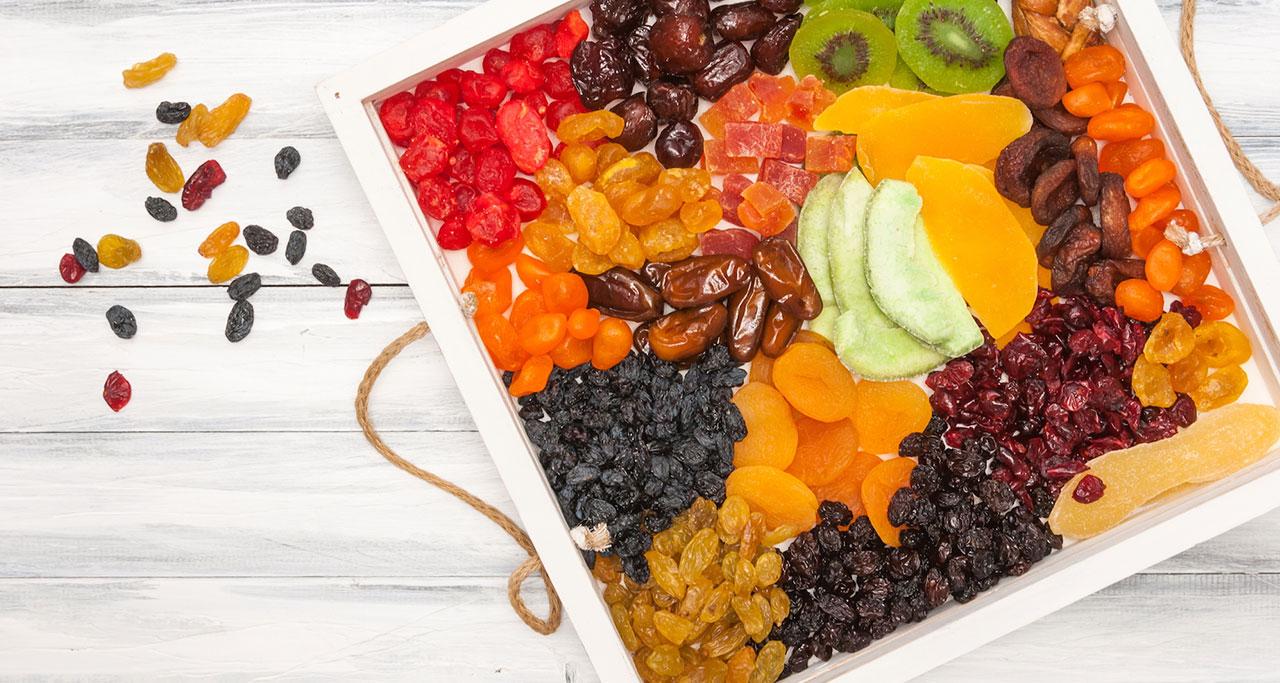
Vietnamese dried fruits offer a diverse range of flavors with a harmonious blend of tastes. (Source: Internet)
One of the clearest signs of transformation in the domestic food processing industry is the strong growth of Vietnamese dried fruit. Unlike Western original-flavor dried fruit that often focuses only on retaining natural sweetness, domestic dried fruit is varied to serve multi-flavor tasting habits.
Soft dried mango is often coated with a light dusting of chili salt, bringing a gentle heat on the tongue and saltiness to balance the sweetness of ripe mango. Dried plums or dried dracontomelon are often marinated with crushed fresh ginger, a touch of sugar, and salt to create a warm, lingering sourness. The natural acidity of the fruit combined with salt and sugar creates a complete flavor loop.
This distinct identity keeps processed agricultural goods from blending into monotonous, overly sweet industrial products. People can enjoy them alongside a cup of tea during a quiet afternoon or as an office snack without feeling heavy or overwhelmed. Respecting core values has helped Vietnamese snacks made from agricultural produce consistently rise, satisfying the strict requirements of a generation of consumers who value refined taste experiences.
See more:
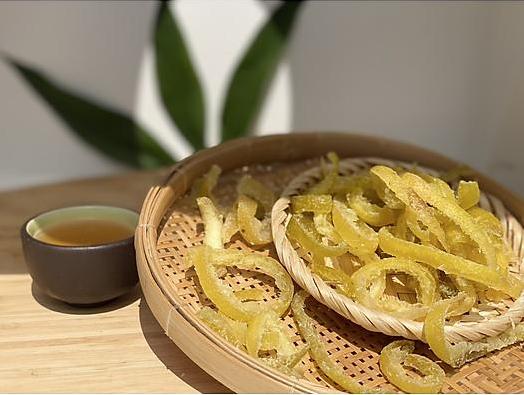
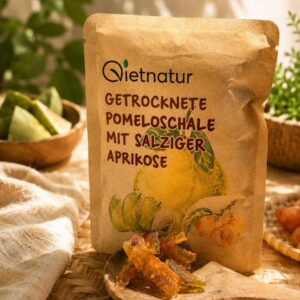
Salted apricot-coated dried pomelo peel – a perfect balance of sour, salty, and sweet flavors. (Source: Internet)
Among the fruit snacks made from natural ingredients, dried pomelo peel presents a challenging raw material. Pomelo peel contains abundant essential oils that provide a pleasant aroma, but it also carries a distinctive bitter-pungent note. If simply candied with sugar in the standard way, harsh bitterness can linger in the aftertaste, while the outer sugar coating becomes too sweet, disrupting balance.
To solve this challenge, VietNatur’s salted apricot-coated dried pomelo peel applies the principle of flavor balance by combining fresh pomelo peel with salted apricot aged for 6 full months. Long-fermented salted apricot carries a deep, mellow sourness from ripe apricots and the rich saltiness of sun-dried sea salt.
This blend creates an engaging multi-layered flavor structure. Upon tasting, a gentle aroma of pomelo essential oil unfolds. Next, the sour and salty notes from the salted apricot powder stimulate the palate, providing a solid foundation for subtle sweetness to emerge. Finally, the natural pungency of the pomelo peel is not eliminated entirely; it remains in the finish as a grounding note, making the entire flavor profile deeper and more mature.
Creating interlaced flavor layers not only overcomes the raw material’s natural bitterness, but also turns the food into a refined taste experience. This approach demonstrates the potential of Vietnamese snacks when successfully applying traditional culinary philosophy: using natural ingredients to create a balanced, smooth, and complete taste.
From the familiar sweet and sour dipping sauce bowl to modern light bites, the five-flavor balance remains a guiding thread throughout culinary culture. The flexible transition from family dining tables to commercial goods shows that the Vietnamese palate consistently gravitates toward original harmony. To experience the refinement of this culture firsthand, you can explore the quality offerings from VietNatur. Each treat awakens the palate while serving as a cultural ambassador, delivering a balanced philosophy of living through every carefully prepared pack of Vietnamese snacks.
Entdecke passende VietNatur Produkte zu diesem Thema.